







Festoons vs Eye Bags: Why Surgery Isn’t Always the Right Answer

Many patients ask for “eye bag surgery” without realizing the issue under their eyes may not actually be eye bags. In many cases, the concern is festoons. People confuse festoons vs eye bags because they appear in a similar area under the eyes. However, treating them as the same condition can lead to poor results, including surgery that does not improve the main concern or makes it more noticeable. This guide explains how to tell them apart, and why diagnosis matters before choosing any procedure. At Lucia Clinic, specialists take a diagnostic-led approach to eye-area concerns, focusing on the underlying cause instead of applying the same treatment to every patient.
What Are Eye Bags?
Eye bags are caused by fat pads that push forward under the eyes as the orbital septum weakens with age. This creates visible fullness beneath the lower eyelids. They usually appear as smooth, rounded bulges directly under the lash line. The texture is firm and even, rather than loose or wrinkled. Many notice they look worse in the morning due to temporary fluid retention.
Genetics plays a strong role, and some develop them in their 20s or 30s. Others see them become more visible with age as skin support decreases.
Common contributing factors include:
- Aging
- Fluid retention
- Allergies
- Lack of sleep
- Sleeping position
- Smoking
- Chronic sun exposure
True eye bags are primarily a structural fat issue. The skin over them may stretch over time, but the core problem is usually protruding orbital fat rather than swollen skin or fluid accumulation.
What Are Festoons?
Festoons are often mistaken for eye bags, but they are a different condition. They form lower on the face, over the cheekbone area, beneath the lower eyelid.
They are linked to skin laxity, weakened tissue support, and fluid buildup in the malar (cheek) region. You may also hear them called malar mounds.
Unlike eye bags, festoons often look loose, crepey, or swollen. Some cases appear fluid-filled, while others look saggy and wrinkled.
They can be worsened by:
- Sun damage
- Alcohol consumption
- High salt intake
- Allergies
- Poor lymphatic drainage
- Smoking
- Chronic inflammation
Festoons often change during the day. They may look worse after poor sleep, salty meals, alcohol, or long flights. Smiling can also make them more visible.
They are usually linked to aging but can also appear in younger patients.
Festoons vs Eye Bags: How to Tell the Difference
When comparing festoons vs eye bags, location is the first key difference. Eye bags sit directly under the lash line. Festoons sit lower, over the cheekbone. Texture also helps. Eye bags feel smooth and firm. Festoons feel softer, looser, or more fluid-like. They behave differently over time. Eye bags stay fairly consistent. Festoons often fluctuate based on sleep, diet, hydration, and allergies.
A simple press test can help during assessment. Festoons may temporarily indent because fluid is involved. Eye bags tend to resist pressure and remain firm. Lighting and photography also help reveal which condition is dominant. Misdiagnosis is a major reason patients are unhappy after lower eyelid surgery. Treating festoons like eye bags often leaves the real issue untreated.
Why Surgery Isn’t Always the Right Answer
Lower blepharoplasty works very well for true eye bags caused by fat pads. However, it does not treat festoons effectively.
Festoons are mainly related to skin quality, tissue laxity, and fluid retention, not just fat. This is why surgery alone often fails to improve them. Research shows that lower eyelid surgical outcomes depend heavily on correctly identifying the issue, whether it’s fat prolapse, skin laxity, or midface changes.
If festoons are treated as eye bags, the results can look uneven or unnatural. Fat removal or tightening skin does not fix ongoing swelling or weak cheek support. In some cases, surgery may create hollowing under the eye while festoons remain visible below.
The correct approach always starts with identifying whether the issue is fat, skin, fluid, or structural support.
For patients who are confirmed candidates, blepharoplasty Dubai remains one of the most effective procedures for correcting true lower eyelid bags.
Best Treatments for Eye Bags
Lower blepharoplasty is the gold standard for eye bags caused by fat protrusion. It removes or repositions fat to smooth the under-eye area. Younger patients with minimal skin laxity may benefit from transconjunctival blepharoplasty, which avoids external incisions.
For mild cases, tear trough fillers can soften the transition between the eyelid and cheek, making bags less noticeable without surgery. Non-surgical tightening can also help early changes. Ultherapy Dubai therapy uses ultrasound energy to stimulate collagen and improve firmness around the eyes over time.
Thermage CPT uses radiofrequency energy to tighten existing collagen and support skin structure, helping with mild laxity and early sagging.
Lifestyle changes can support treatment results as well. Patients often see improvement by:
- Sleeping with the head elevated
- Reducing salt intake
- Staying hydrated
- Managing allergies
- Improving sleep quality
The right treatment depends on your age, skin quality, anatomy, and severity of the bags.
Best Treatments for Festoons
Festoons rarely respond well to surgery alone, especially when fluid retention plays a major role. Lymphatic drainage techniques can reduce swelling by improving fluid movement in the face. Radiofrequency microneedling helps tighten crepey skin and improve collagen in the malar area.
Injectable skin-rejuvenation treatments also helps. Polynucleotides treatment Dubai helps improve skin quality, hydration, and elasticity in delicate under-eye skin through regenerative stimulation.
Other treatment options may include:
- Skin boosters
- Fractional laser resurfacing
- Radiofrequency treatments
- Medical-grade skincare
- Allergy management
Lifestyle factors are especially important. Salt, alcohol, sleep, allergies, and sun exposure can significantly affect severity. Severe cases may require surgical options like a cheek lift, but only after non-surgical methods are explored.
When Surgery Is Genuinely the Right Answer
Surgery is appropriate when there is confirmed fat herniation causing smooth bulges under the lash line. It may also be suitable when there is significant skin excess that cannot improve with non-surgical treatments. Many patients consider surgery only after fillers, tightening treatments, and lifestyle changes have not helped enough. A visible step between the lower eyelid and cheek is another indicator of true fat-related eye bags. The decision should always come from a full clinical assessment, not self-diagnosis.
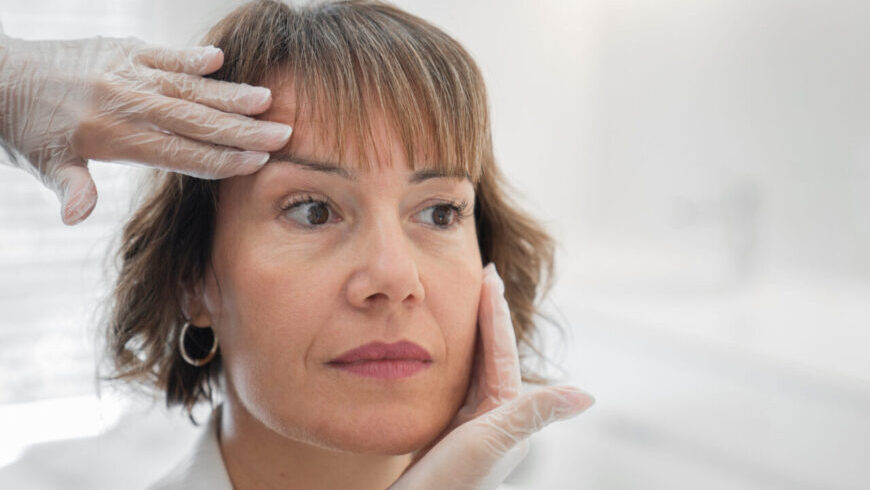
Sometimes, non-surgical solutions are the right answer.
Why Diagnosis Matters More Than the Procedure
Experienced surgeons often spend more time diagnosing the problem than performing the procedure itself. A quick mirror check is not enough. Proper evaluation includes skin quality, lighting, fluid behaviour, tissue texture, and medical history.
Wrong diagnosis is one of the main reasons lower eyelid treatments fail to meet expectations. Even a well-performed surgery will not give good results if the wrong problem is treated. At Lucia Clinic, specialists evaluate whether the concern comes from fat protrusion, skin laxity, fluid retention, structural anatomy, or a combination of factors before recommending treatment.
The Correct Diagnosis Changes Everything
Understanding festoons vs eye bags is the key to selecting the right treatment. Surgery can produce excellent outcomes when the problem is a true fat herniation. But for festoons, non-surgical treatments, skin quality improvement, and fluid management are often more effective. A clear diagnosis is the foundation of natural-looking, lasting results, whether it involves surgery, non-surgical options, or a combination of both.