







Smoking and Plastic Surgery: How Nicotine Affects Healing and Why Clinics Decline Patients

Many patients are surprised to learn their consultation can pause the moment smoking comes up. This is not about judgment. It is about safety, healing, and results. The reality is that smoking and plastic surgery do not work well together. Nicotine in any form, including cigarettes, vapes, patches, or shisha, interferes with the body’s ability to heal. At Lucia Clinic Dubai, strict preoperative protocols are in place to protect patients and ensure optimal outcomes.
The Science: How Nicotine Affects Healing
Nicotine has a direct and measurable impact on the body’s healing process. Key physiological effects include:
- Vasoconstriction: Blood vessels tighten, reducing blood flow by up to 40 percent
- Oxygen deprivation: Carbon monoxide replaces oxygen in red blood cells
- Collagen disruption: Fibroblast activity slows, delaying tissue repair
- Immune suppression: White blood cell function weakens, increasing infection risk
- Platelet dysfunction: Abnormal clotting patterns can develop
This matters even more in plastic surgery. Procedures like a tummy tuck Dubai or facelift depend on precise blood supply and delicate tissue healing. Skin flaps rely entirely on healthy circulation. Even short-term nicotine exposure can compromise results and lead to complications that are difficult to correct.
Specific Complications Caused by Smoking
The risks are not theoretical. They are well-documented and frequently observed in surgical practice.
Common complications include:
- Skin necrosis: Tissue death due to poor blood supply
- Delayed wound healing: Incisions take significantly longer to close
- Widened or raised scars: Poor collagen formation affects scar quality
- Higher infection rates: Up to three times greater than non-smokers
- Capsular contracture: Hardened scar tissue around breast implants
- Flap failure: Particularly in reconstructive or advanced procedures
More severe risks include blood clots such as deep vein thrombosis and pulmonary embolism, which can be life-threatening.
Procedure-specific risks also matter. In facelift surgery, compromised circulation can lead to visible tissue damage. In rhinoplasty Dubai, smoking increases the risk of graft issues and prolonged swelling. In body contouring procedures, fat graft survival drops significantly, reducing overall results.
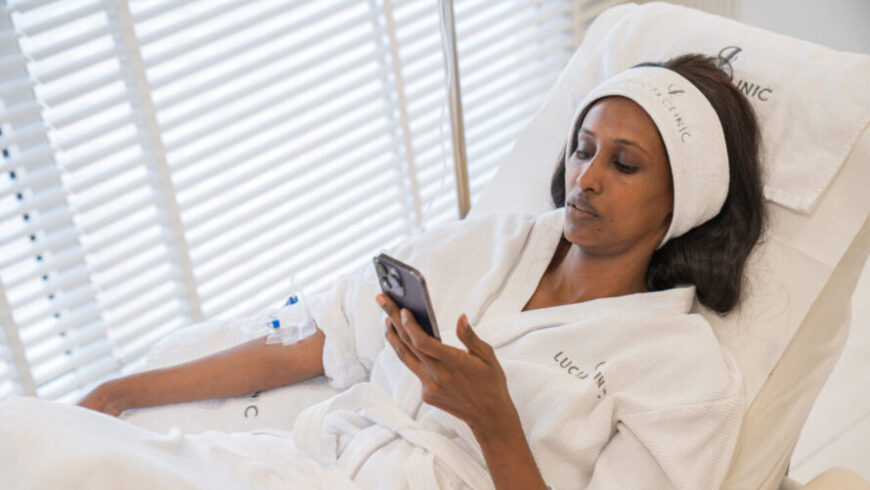
Smokers sometimes can be denied treatment if there are health risks.
Why Clinics Decline or Postpone Smokers
When clinics delay or decline surgery for smokers, it is based on medical responsibility. Surgeons have an ethical obligation to avoid preventable harm. Performing surgery on a patient who is actively smoking increases the likelihood of complications that could have been avoided.
There are also legal and insurance considerations. Many smoking-related complications are considered preventable, which increases liability.
Responsible clinics typically follow structured protocols such as:
- Preoperative nicotine testing (urine or saliva)
- Signed smoking cessation agreements
- Referrals to cessation support programs
- Postponement of surgery until abstinence is confirmed
This approach protects both the patient and the integrity of the results.
Vaping, Nicotine Patches, and Shisha
A common misconception is that alternatives to cigarettes are safer for surgery. This is not true.
Vaping still delivers nicotine and other chemicals that affect blood vessels. Nicotine replacement therapies such as patches, gum, or lozenges also contain nicotine and must be stopped before surgery.
Shisha, which is widely used in the UAE, can be even more harmful. A single session can expose the body to nicotine and carbon monoxide levels comparable to those of dozens of cigarettes.
Even secondhand smoke can affect healing. Patients who live with smokers may need to adjust their environment during recovery. Cannabis smoking also presents risks due to carbon monoxide exposure.
How Long Should You Quit Before Surgery
There are clear clinical guidelines for quitting before plastic surgery.
The minimum recommendation is four weeks before surgery. However, six to eight weeks is preferred for better outcomes. After surgery, patients should remain nicotine-free for at least four to six weeks while healing continues.
These timelines exist because the body needs time to recover normal function. Blood vessels gradually regain their ability to dilate. Oxygen levels improve within days, but tissue-level healing takes longer.
Clinics may test for cotinine, a nicotine metabolite detectable for up to ten days. Honesty with your surgeon is critical, as prevention is always easier than treating complications later.
Supporting Patients Through Cessation
Quitting is challenging, but support is available. Many patients use their surgery date as motivation to stop smoking.
In Dubai, smoking cessation programs and medical support are widely accessible. Behavioural strategies such as habit replacement and stress management can also help. Non-nicotine based medical options may be recommended by a general practitioner.
Patients who quit often experience better healing, reduced swelling, improved scar quality, and more stable long-term results.
What to Expect at a Lucia Clinic Consultation
At Lucia Clinic, an aesthetic clinic in Dubai, consultations focus on both aesthetic goals and overall health. This ensures every treatment plan supports not just your appearance, but your recovery and long-term results.
Patients can expect an honest discussion about lifestyle factors, including smoking. A customised preoperative timeline is created based on the procedure and individual needs. The approach is supportive, with a clear focus on safety and optimal outcomes. This allows patients to fully understand what is required before surgery and feel confident moving forward.
Safe Surgery Starts Before You Enter the Operating Room
Smoking and plastic surgery are not just lifestyle concerns. It is a critical safety issue that directly affects healing, results, and long-term outcomes. Clinics that postpone surgery for smokers are protecting patients, not rejecting them. Quitting may be difficult, but dealing with complications is far more challenging. If you are considering a procedure, take the time to prepare your body properly. Book a consultation with Lucia Clinic Dubai to discuss your readiness and create a safe path toward successful results.