







When Doctors Recommend PRP Hair Treatment vs Advanced Regenerative Options

Non-surgical hair restoration has become a common choice for patients in Dubai who want effective treatment without surgery. Still, many people feel unsure about the next step once thinning starts. Some want to know if PRP can maintain their current hair, while others wonder if they need a more advanced regenerative plan. That is why understanding when doctors recommend PRP hair treatment vs advanced regenerative options matters. The answer depends on the stage of hair thinning, the patient’s goals, and the level of improvement they expect. At Lucia Clinic, treatment planning starts with a close evaluation, so each patient gets care that fits their hair condition.
Understanding Hair Thinning From an Aesthetic Perspective
Hair thinning often starts with small visual changes that affect the way hair looks and feels. Many patients first notice less fullness when they style their hair. The crown may look flatter, the hairline may seem softer, and the overall shape may lose volume. In some cases, the part starts to look wider, which makes the scalp more visible.
Texture can change, too. Hair may feel finer, weaker, or harder to manage than before. These details matter because they shape how patients see themselves day to day. Even mild thinning can change confidence, especially when familiar hairstyles no longer give the same result. For this reason, aesthetic concerns often bring patients in long before hair loss becomes severe.
Why Early vs Advanced Hair Loss Matters?
The stage of hair thinning shapes every treatment decision. Early thinning still leaves many active follicles that can respond well to stimulation. At this point, doctors focus on maintaining density and improving hair strength. Patients often keep their current look with the right support and consistent care.
However, advanced thinning creates a different challenge. Hair becomes weaker, coverage drops, and some follicles stop producing strong strands. In these cases, basic treatments may not deliver visible improvement. Stronger regenerative options help rebuild support within the scalp and improve density over time.
Timing plays a key role here. Patients who start treatment early often need less intensive care and see steadier results. Those who wait may require a more structured plan to restore balance. Clear evaluation helps doctors choose the right approach at the right moment.
Why Not All Hair Loss Treatments Deliver the Same Results?
Hair loss treatments do not work the same way because they target different stages and needs. PRP focuses on stimulation and maintenance. It helps existing follicles work better and supports overall hair quality. This approach works best when thinning is still mild, and hair is present across the scalp.
Regenerative treatments serve a different role. They support deeper repair when density drops and hair looks visibly weaker. These options aim to improve coverage, strengthen follicles, and create better scalp support for future growth. Doctors also look at contributing factors, since issues such as vitamin deficiencies are linked to hair loss, which can affect treatment response and overall progress.
Doctors choose between these methods based on what the hair needs at that moment. A lighter approach works for early thinning, while advanced loss requires stronger support. Matching treatment intensity to the condition of the hair helps avoid poor results and wasted time. A clear plan leads to more predictable and lasting improvement.
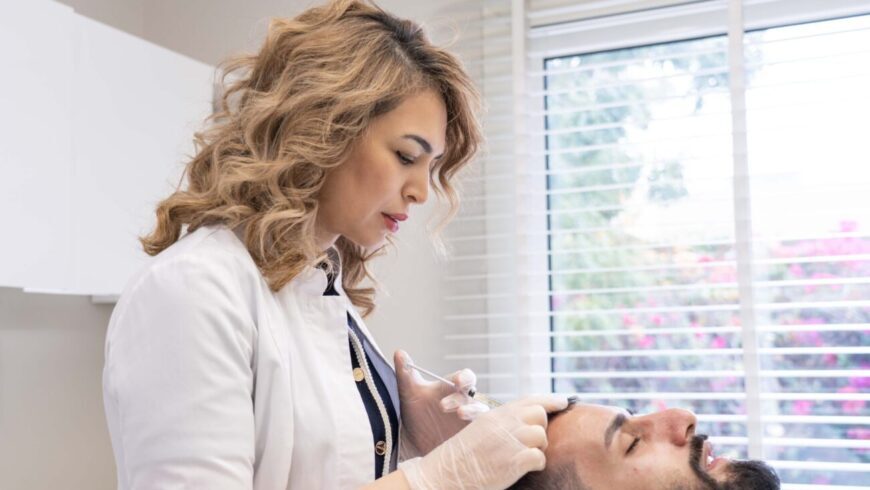
Doctors recommend PRP hair treatment vs advanced regenerative options based on your scalp condition.
When Doctors Recommend PRP Hair Treatment
Doctors usually recommend PRP, which is the most popular hair loss treatment Dubai specialists often do, for patients in the early stages of hair thinning. These patients still have visible hair, but they notice increased shedding or reduced volume. The follicles remain active, which allows PRP to support and strengthen them. This treatment suits those who want gradual improvement instead of rapid or aggressive changes.
It works well for people who aim to maintain their current density while improving hair quality over time. PRP treatment Dubai doctors recommend also fits patients who prefer a non-surgical option that can be repeated as needed. Clear expectations matter, since results build slowly with consistent sessions and proper follow-up care.
What PRP Results Typically Focus On?
PRP treatment focuses on targeted improvements that help maintain and strengthen existing hair over time.
- Improving hair thickness so strands appear fuller and more resilient
- Reducing shedding to help maintain overall density
- Supporting overall hair quality, including strength, texture, and appearance
Why PRP Is Often a First Step?
Doctors often choose PRP as an initial option because it offers a simple way to support hair without surgery. It is among non-surgical aesthetic treatments that does not require long recovery, which makes it easy to fit into a regular schedule. It works best in early stages, when hair follicles still respond well to stimulation. At this point, PRP can help maintain density and improve hair strength before more visible thinning develops.
Another reason doctors start with PRP is flexibility. Sessions can be repeated regularly, which helps maintain results over time. This makes it a practical choice for patients who want steady improvement and long-term care without moving to stronger treatments too early.
When Advanced Regenerative Options Are Recommended?
Doctors recommend advanced regenerative treatments when PRP no longer provides enough support. This usually happens when thinning becomes more visible and harder to manage with basic stimulation alone. One clear sign is noticeable density loss, where the scalp shows through even after styling.
In some cases, thinning continues despite regular PRP sessions, which signals that the follicles need stronger support. Larger affected areas also point to the need for a more advanced approach. Instead of focusing only on maintenance, doctors shift toward treatments that improve structure and coverage. These options help strengthen weaker follicles and support better hair growth conditions across the scalp. Early adjustment of the treatment plan helps prevent further decline and supports more stable, long-term improvement.
Types of Advanced Options
Advanced regenerative options give doctors more flexibility when standard PRP no longer offers enough support. One option combines PRP with Acell PRP Dubai doctors recommend to enhance the regenerative response and support weakened follicles more effectively.
Also, stem cell therapy Dubai specialists do focus on improving repair and supporting stronger growth in areas with visible thinning. Doctors may also recommend combination regenerative protocols that use more than one method within the same plan. This helps address several concerns at once, such as reduced density, weaker strands, and poor scalp support.
The right option depends on the extent of thinning, the condition of the scalp, and the level of improvement the patient wants.
What Do These Treatments Aim to Improve?
Advanced regenerative treatments focus on improving key areas that affect how hair looks and grows over time. Doctors use them to support both visible results and underlying scalp health. These treatments aim to increase hair density, so coverage appears fuller and more even across affected areas. They also strengthen individual strands, which helps hair feel more resilient and less prone to breakage. In addition, they improve the scalp environment by supporting better conditions for consistent growth. This combined effect helps patients achieve stronger, healthier hair with more stable and long-lasting results.
PRP vs Regenerative Treatments: Differences in Results
Doctors compare PRP and regenerative treatments based on how they perform over time and what type of improvement they deliver. Each option follows a different path, so understanding these differences helps set clear expectations before starting treatment.
Speed of Results
PRP delivers gradual and subtle changes that build over time. Patients usually notice reduced shedding first, followed by improved texture and thickness. Results depend on consistent sessions and patience, since progress appears step by step.
In contrast, regenerative treatments often show more progressive changes as the scalp receives deeper support. Improvement may take time, but the effects tend to become more noticeable as density increases and coverage improves.
Type of Improvement
PRP focuses on the maintenance and strengthening of existing hair. This makes it the most popular hair loss treatment for men in Dubai. It helps improve strand quality and supports follicles that still produce hair.
Regenerative treatments target a different goal. They aim to improve density and support structural change within the scalp. These treatments help areas with visible thinning regain better coverage. Doctors choose between these options based on how much support the hair needs at a given stage.
Duration and Strategy
PRP requires ongoing consistency to maintain results. Doctors often recommend a schedule of regular sessions, followed by maintenance treatments over time. This approach helps sustain improvements and prevent further thinning.
Regenerative treatments follow a broader plan that may extend over a longer period. Doctors adjust timing based on progress and response to treatment. Some patients combine both methods within one strategy. A clear plan helps manage expectations and supports steady improvement without unnecessary procedures.
Why Combination Treatments Are Often Recommended?
Combination treatments often give doctors more control over the treatment plan. One method may help improve hair quality, while another supports density in weaker areas. This makes the overall approach more balanced and effective.
Instead of relying on a single treatment, doctors can address several concerns at the same time. They also adjust the protocol based on the patient’s goals, the stage of thinning, and the way the hair responds over time. This kind of planning helps create more natural progress and supports results that look steady rather than forced.
What Doctors Consider Before Recommending a Treatment?
Doctors review several key factors before recommending any hair restoration plan. Each decision depends on how the hair looks, how it behaves, and what the patient expects from treatment. This step helps avoid mismatched results and ensures the plan fits both the condition and lifestyle.
- Stage and pattern of hair loss to understand how much thinning has progressed and where it is most visible.
- Hair quality and scalp condition to determine if follicles need basic support or deeper regenerative care.
- Patient expectations and timeline to align results with realistic outcomes and desired speed of improvement.
- Lifestyle and maintenance commitment to ensure the patient can follow the recommended schedule and maintain results over time.
Lucia Clinic’s Approach to Hair Restoration
Lucia Clinic follows a careful and personalized approach to hair restoration. Doctors begin with a detailed assessment instead of applying the same solution to every patient. They examine hair density, scalp condition, and the pattern of thinning before suggesting any treatment. The goal stays focused on natural-looking results that improve over time, rather than sudden or uneven changes.
When needed, doctors combine treatments to address different concerns and support better overall outcomes. At the same time, they avoid unnecessary or overly aggressive procedures that do not match the patient’s condition. This balanced method helps maintain hair health while supporting steady progress. Patients receive a plan that fits their needs, with clear guidance on what to expect at each stage of treatment.
What Patients Should Expect From the Process?
Hair restoration requires patience and a clear understanding of how results develop over time. Most treatments do not create instant change. Instead, patients notice gradual improvement as hair becomes stronger and shedding decreases. Early signs may include better texture and reduced hair fall, followed by increased thickness with continued care.
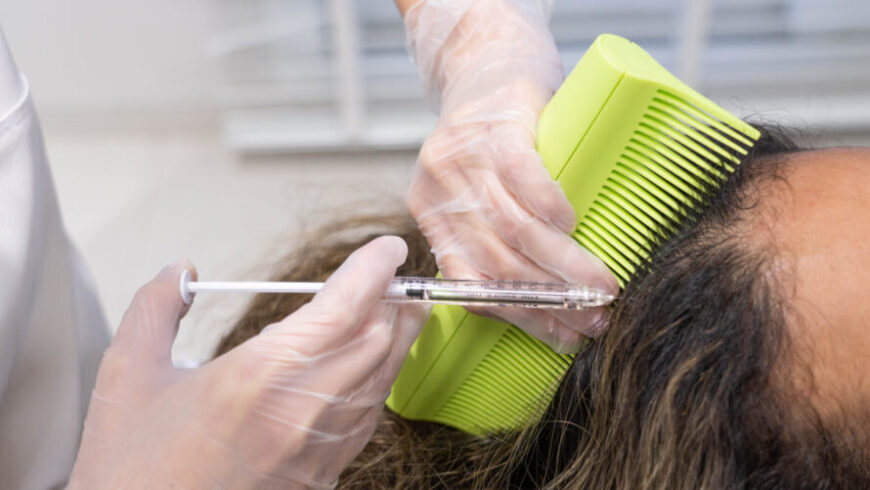
Find the best solution thanks to Lucia Clinic.
Consistency plays a key role in this process. Regular sessions and follow-up visits help maintain progress and allow doctors to adjust the plan when needed. Each treatment type also has its own timeline and level of improvement. Some focus on maintenance, while others aim for more visible density changes.
Realistic expectations help patients stay committed and avoid disappointment. Clear communication with the doctor ensures that progress stays on track and aligned with the initial goals.
Find the Best Approach for Your Hair Goals!
PRP remains a strong option for patients in the early stages of hair thinning who want to maintain and strengthen existing hair. However, when thinning becomes more visible, advanced regenerative treatments provide the level of support needed for noticeable improvement. The key to success lies in timing and proper evaluation. Understanding when doctors recommend PRP hair treatment vs advanced regenerative options helps patients choose a path that matches their condition and goals. A well-planned approach leads to steady progress, healthier hair, and results that look natural over time!