







Fat Transfer to Hips: Sculpting Curves Without Implants

Fat transfer to hips: sculpting curves without implants is a body contouring approach that uses your own fat to create a fuller, smoother hip shape without relying on synthetic materials. It has become a popular option in Dubai for patients who want noticeable curves while keeping a natural look and feel. More people now prefer procedures that reshape the body using their own tissue rather than implants. This method removes fat from areas like the abdomen or thighs and uses it to enhance the hips, improving overall proportion in a single treatment. At Lucia Clinic Dubai, this treatment is part of advanced body contouring plans designed around your anatomy and goals.
What Is Fat Transfer to the Hips
Fat transfer to the hips is a form of hip augmentation that reshapes the body using your own fat instead of implants. It is a two-step body sculpting procedure that combines liposuction and fat grafting, allowing you to reduce volume in one area while enhancing another in a single plan.
Fat is first removed from areas like the abdomen, flanks, thighs, or lower back using techniques similar to liposuction in Dubai. The harvested fat is then purified to isolate healthy fat cells. Those cells are carefully injected into the hip area to improve contour, smooth hip dips, and create a more even transition between waist, hips, and thighs. Since the material comes from your own body, there is no implant or synthetic filler involved.
Why More Patients Are Choosing Fat Transfer Over Implants
Fat transfer is replacing implants for many patients because it works with the body instead of adding external materials. That shift is based on both comfort and long-term results.
You get a natural look and feel because the volume comes from your own fat. There is no rigid implant shape, so movement tends to look more fluid and organic. You also reduce the risk linked to implants, such as displacement or long-term replacement surgery. According to research, autologous fat grafting had lower long-term revision rates compared with gluteal and hip implants.
Another benefit is body contouring in two directions. While hips are enhanced, donor areas become slimmer. This combination creates proportion changes that implants alone cannot achieve.
How the Procedure Works
The process begins with a full assessment of body shape, fat distribution, and target hip contour. Liposuction in Dubai is performed first, typically from areas such as the abdomen, flanks, thighs, or lower back.
The extracted fat is then processed using centrifugation or filtration to remove excess fluid, oil, and damaged cells. Only healthy fat cells are kept for transfer. Next, the purified fat is injected into the hips in small layers. This step is slow and controlled. The surgeon places fat at different depths to build shape, not just volume. Proper placement helps avoid uneven results and supports long-term survival of the grafted fat.
Who Is the Ideal Candidate
Fat transfer to the hips works best for people who want shape enhancement without implants. You may be a good candidate if you want fuller hips, smoother hip dips, or better balance between your waist and lower body. It also suits patients who prefer using their own tissue instead of synthetic materials.
You need enough donor fat for the procedure to work well. Common donor sites include the abdomen and thighs. Very lean patients may not have sufficient fat volume, which can limit results. Good overall health is also required. Stable weight and realistic expectations help improve outcomes and reduce the need for future adjustments.
Fat Transfer to Hips vs Brazilian Butt Lift
Fat transfer to the hips and Brazilian Butt Lift Dubai procedure use the same basic technique but target different areas. A BBL focuses on adding volume and projection to the buttocks, while hip transfer focuses on widening or smoothing the outer hip line. Many patients combine both treatments for a more balanced lower body shape. The surgeon adjusts fat placement patterns depending on whether the goal is projection, width, or overall symmetry.
What Results to Expect
You can expect a smoother hip curve, reduced hip dips, and a more balanced waist-to-hip transition. Results do not appear instantly. Swelling is present at first, and the final shape becomes clearer after 3 to 6 months once the fat settles. Outcomes tend to look natural because the body integrates surviving fat cells into existing tissue. The result is not rigid or artificial in movement, which is a key difference from implants.
Fat Survival and Longevity of Results
Not all transferred fat survives the procedure. On average, 60% to 80% of fat cells integrate long term. The fat that survives behaves like normal body fat. It responds to weight gain or loss, which means major fluctuations in body weight can change your final shape. Keeping a stable weight after surgery is one of the strongest factors in maintaining long-term results.
Recovery and Aftercare
Recovery includes swelling, bruising, and temporary tightness in both the donor and hip areas. You will wear compression garments for several weeks to support healing and reduce fluid buildup. Direct pressure on the hips should be avoided early on. Sitting carefully and following the surgeon’s instructions protects fat survival during the first healing phase. Light walking is encouraged soon after surgery to improve circulation. Most people return to daily routines within 2 to 3 weeks, while full exercise usually resumes after medical clearance.
How Fat Transfer Fits Into Broader Body Contouring
Fat transfer to the hips is often part of a wider body contouring strategy, where fat grafting is used to reshape and balance different areas of the body in a single surgical plan. It allows you to reduce unwanted fat in areas like the abdomen or flanks while using that same fat to enhance curves elsewhere.
Surgeons often combine hip enhancement with abdominal or waist liposuction to enhance definition and improve proportions. This technique creates a narrower waist and fuller hips. Fat grafting can also be applied to the buttocks or breasts, allowing for better symmetry across treated areas instead of isolating one region.
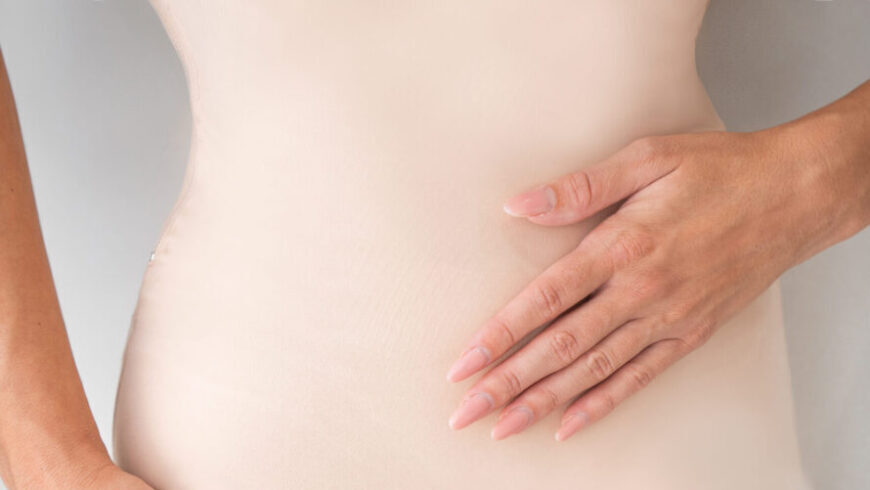
Why Choose Lucia Clinic for Fat Transfer to Hips
Surgeons at Lucia Clinic Dubai are trained in advanced fat transfer methods and body contouring planning. Each treatment plan is based on your anatomy, fat distribution, and desired outcome. This reduces guesswork and improves balance between the waist, hips, and lower body.
Techniques focus on controlled fat placement and symmetry, which support smoother contours and long-term stability. The clinic also offers full-body sculpting options if multiple areas need treatment at once.
Is Fat Transfer to Hips Right for You?
Fat transfer to hips: sculpting curves without implants offers a way to enhance body shape using your own fat instead of synthetic materials. It combines fat removal and volume enhancement in one procedure, helping you achieve smoother curves and better overall proportion. The outcome depends on careful planning, surgical technique, and how well you maintain your weight after the procedure. When these factors are aligned, results tend to look balanced and last well over time. If you are considering this procedure, a consultation can help determine whether your body type and goals fit this approach.