







PRP for Melasma: A Gentle Regenerative Support Alongside Traditional Treatments

Melasma is a chronic pigmentation condition known for recurring, especially after sun exposure, hormonal changes, heat, or inflammation. Because of that, treatment often works best when it combines pigment control with long-term skin support rather than relying on one aggressive procedure. PRP for melasma is one regenerative option that may complement established treatments. Platelet-rich plasma does not bleach the skin or replace proven melasma therapies. Instead, it may support healing, improve overall skin quality, and fit into a broader maintenance plan. At Lucia Clinic Dubai, melasma treatment can be personalized around your skin type, pigmentation depth, sensitivity, previous treatments, and long-term goals.
What Is Melasma?
Melasma is a form of hyperpigmentation that usually appears as brown, gray-brown, or sometimes bluish patches across the cheeks, forehead, upper lip, chin, and jawline.
It is strongly associated with several factors, including:
- Sun and visible light exposure
- Hormonal changes
- Pregnancy
- Genetics
- Heat
- Skin inflammation
Melasma occurs much more often in women and commonly develops during the reproductive years. It can also be especially persistent in people with medium to darker skin tones. Unlike some temporary pigmentation concerns, melasma frequently returns even after successful treatment. This makes maintenance just as important as the initial correction phase.
Why Melasma Is Different From Other Pigmentation Concerns
Melasma is more complex than a simple accumulation of surface pigment. It can involve both epidermal and dermal pigmentation, while hormonal, vascular, inflammatory, and environmental factors may all influence its behavior. This helps explain why aggressive treatment is not always the best strategy. In many patients, controlling inflammation and protecting the skin barrier can be just as important as reducing visible pigment.
Common Traditional Treatments for Melasma
Traditional melasma treatment usually combines topical therapy, professional procedures, and strict sun protection.
Depending on your skin and medical history, treatment may include:
- Hydroquinone
- Tranexamic acid
- Azelaic acid
- Kojic acid
- Chemical peels
- Cosmelan
- Dermamelan
- Microneedling
- Selected laser treatments
- Prescription combination creams
Photoprotection remains one of the most important parts of any plan.
Why Melasma Treatments Must Be Gentle
Melasma responds best when treatment reduces pigmentation without creating unnecessary irritation. Excess inflammation can trigger further pigment production and increase the risk of post-inflammatory hyperpigmentation. This is particularly important in darker skin tones.
For this reason, an effective hyperpigmentation treatment Dubai option should not automatically mean using the strongest available procedure. A carefully paced plan may produce more consistent results than repeated aggressive treatments. Protecting the skin barrier, allowing enough recovery time, and avoiding unnecessary heat or inflammation can all support better long-term control.
What Is PRP?
Platelet-rich plasma, or PRP, is a regenerative treatment prepared from a small sample of your own blood. The blood is processed to concentrate platelets in plasma. These platelets contain growth factors and signaling proteins involved in tissue repair, cellular communication, and skin renewal. PRP is used in several areas of aesthetic and regenerative medicine, including treatments intended to support skin texture, tone, collagen production, and healing. Because PRP comes from your own blood, it does not involve donor material or synthetic fillers. However, it is still a medical procedure and can cause temporary redness, swelling, tenderness, or bruising. A professional PRP treatment Dubai procedure should always begin with a clinical assessment.
Why PRP Is Considered a Gentle Treatment
PRP is considered comparatively gentle because it supports the skin’s own regenerative processes rather than relying on strong bleaching agents or heat-based energy. It does not mean the procedure is completely non-invasive. PRP still requires injections, microneedling, or another delivery method, and temporary irritation can occur.
Its main advantage is that it adds a regenerative element to treatment without introducing strong depigmenting chemicals. For patients with sensitive or reactive skin, this can make PRP a useful option to discuss as part of a broader melasma plan.
How PRP Supports Melasma Treatment
PRP may support melasma treatment by improving skin quality while helping reduce the appearance of pigmentation. Its growth factors support repair, collagen activity, and overall skin renewal, which can make it useful alongside established melasma therapies.
Current evidence suggests PRP may help by:
- Supporting tissue repair
- Improving skin texture
- Encouraging collagen activity
- Supporting a healthier skin barrier
- Improving overall tone
- Assisting recovery after selected procedures
However, PRP should still be viewed as a supportive treatment rather than a definitive cure.
PRP as a Complementary Treatment, Not a Replacement
PRP works best as part of a combination strategy rather than replacing established melasma treatments. Your main treatment may still involve prescription skincare, depigmenting products, peels, or another procedure. PRP can then be added where regenerative support makes sense.
This distinction is important because PRP does not directly function as a bleaching agent. Its role is more supportive: improving skin quality, assisting recovery, and potentially helping create a healthier environment around pigment-producing cells. The combination, timing, and frequency should always be tailored to your skin.
How PRP May Complement Cosmelan Treatment
PRP can complement cosmelan peel protocols by supporting the skin during a longer pigmentation-management plan.
Cosmelan works directly on excessive pigmentation and can cause temporary redness, dryness, peeling, and sensitivity. PRP should not automatically be performed while the skin is actively irritated. Instead, your practitioner may consider it once the skin has recovered sufficiently. The two treatments serve different purposes. Cosmelan focuses primarily on pigmentation control, while PRP can provide regenerative support and help improve overall skin quality.
How PRP May Complement Dermamelan Treatment
Dermamelan is a more intensive depigmentation protocol, so careful recovery and home care are especially important. PRP may be added later as a supportive procedure within a Dermamelan treatment Dubai plan.
The goal is not to replace Dermamelan or shorten the protocol, but to support skin quality once the skin is ready for another treatment. Because melasma-prone skin can become reactive easily, timing matters. Your practitioner should assess redness, peeling, sensitivity, and barrier recovery before adding another procedure.
How PRP May Complement Chemical Peels
Chemical peels are frequently used to improve superficial pigmentation, but their strength and frequency need to be selected carefully for melasma. PRP may complement a chemical peel Dubai treatment by supporting skin recovery between sessions.
Again, this does not mean PRP needs to be paired with every peel. Treatment should be spaced according to your skin’s response.
The main priority is reducing pigment while avoiding excessive irritation.
A slower, controlled plan often makes more sense for melasma than stacking multiple procedures too closely together.
PRP After Laser Treatments for Melasma
Laser treatment can help selected cases of melasma, but it requires caution because too much heat or inflammation can worsen pigmentation. Current expert recommendations generally reserve lasers for more resistant cases rather than treating them as universal first-line options.
When a suitable laser is used, PRP may be considered afterward to support recovery and skin quality. However, evidence on the ideal combination of PRP and laser treatment for melasma remains limited. The schedule should depend on the laser used, treatment intensity, your skin tone, and your individual response.
The Role of Growth Factors in Melasma Treatment
PRP contains growth factors involved in healing, collagen activity, cellular repair, and tissue regeneration. Researchers have proposed that these signaling molecules may contribute to improvements in melasma by influencing the skin environment rather than simply targeting pigment directly. That said, it would be inaccurate to claim that PRP permanently switches off melanocytes or stops melasma from returning. Current evidence shows promise, but researchers still need larger trials to determine which PRP preparation methods and treatment schedules offer the most consistent results.
How PRP Improves Overall Skin Quality
PRP may improve more than pigmentation. It is also used to support texture, firmness, radiance, and overall skin quality. This makes it relevant for patients who want both melasma management and a skin rejuvenation Dubai procedure.
Instead of focusing only on individual dark patches, treatment can also aim to improve the condition of the surrounding skin. This broader approach may be particularly useful because modern research increasingly recognizes melasma as more than a pigment-only disorder. Healthier, calmer, more resilient skin may respond better to a long-term treatment plan.
Why PRP May Suit Sensitive Skin
PRP may suit some patients with sensitive skin because it does not depend on strong synthetic brightening agents. However, sensitive skin still requires careful screening.
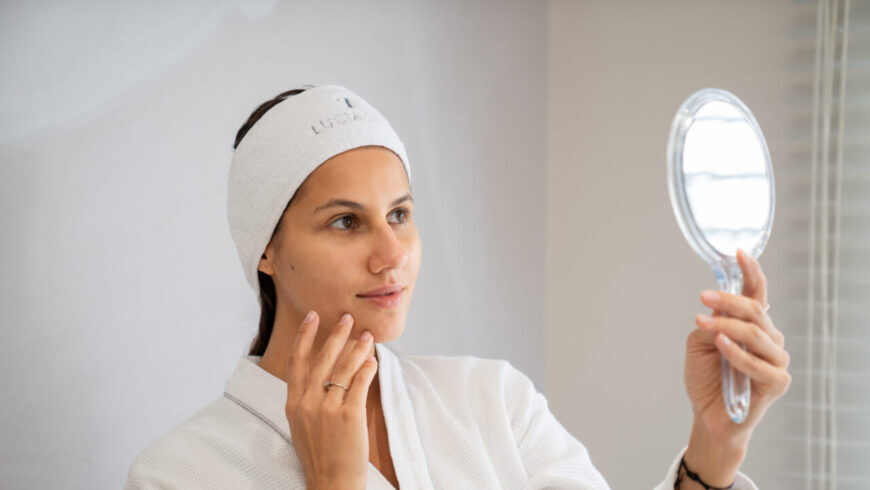
PRP suits sensitive skin.
PRP should usually be postponed if you have an active skin infection, significant dermatitis, or severe irritation. Your practitioner should also review your medications, platelet-related conditions, health history, and previous reactions to aesthetic treatments. The fact that PRP is autologous can reduce concerns about allergic reactions to foreign materials, but it does not remove the need for proper medical assessment.
How PRP Fits Into a Long-Term Melasma Plan
Melasma usually requires ongoing management rather than one short treatment course.
A long-term plan may include several stages:
- Reducing active pigmentation
- Supporting skin recovery
- Maintaining results
- Controlling triggers
- Repeating treatment when appropriate
PRP may fit into the recovery or maintenance stages, depending on your needs. It should work alongside daily skincare and sun protection rather than replacing them. This is especially important because even successful in-clinic treatments cannot prevent recurrence if ultraviolet and visible light exposure remain uncontrolled.
Lifestyle Habits That Support Melasma Treatment
Daily sun protection is one of the most important habits for controlling melasma.
Use a broad-spectrum sunscreen and reapply it when needed, especially during prolonged outdoor exposure. Tinted sunscreens containing iron oxides may also help protect against visible light, which can worsen melasma in some skin types.
You can also support treatment by:
- Wearing wide-brimmed hats
- Seeking shade when possible
- Avoiding unnecessary heat exposure
- Following your prescribed skincare consistently
- Keeping the skin barrier moisturized
- Avoiding harsh exfoliation
- Managing known hormonal triggers with medical guidance where appropriate
The goal is consistency. Melasma often worsens when daily maintenance stops.
When Should PRP Be Considered?
PRP for melasma may be worth discussing when your clinician believes regenerative support could improve your broader plan.
It may be considered for patients who:
- Have sensitive or reactive skin
- Want to support skin quality alongside pigment treatment
- Are recovering from selected peels or procedures
- Have persistent melasma requiring combination therapy
- Prefer a regenerative addition to their treatment plan
PRP is not suitable for everyone, and it should not be treated as a shortcut for difficult melasma.
Your practitioner should first identify what is driving your pigmentation and which treatment should remain the primary therapy.
Personalizing PRP Protocols for Melasma
PRP protocols should be personalized because melasma behaves differently from one patient to another.
Your treatment plan may depend on:
- Skin tone
- Melasma depth
- Hormonal history
- Sun exposure
- Previous treatments
- Skin sensitivity
- Lifestyle
- Treatment goals
PRP may be scheduled between other procedures or used during maintenance rather than combined with everything at once.
The goal is to build a plan that your skin can tolerate consistently.
How Lucia Clinic Personalizes Melasma Treatment
At Lucia Clinic Dubai, melasma treatment can combine pigmentation therapies with regenerative support based on your individual skin. Led by Dr. Radmila Lukian, the clinic can create plans using treatments such as Cosmelan, Dermamelan, chemical peels, selected laser procedures, professional skincare, and PRP where clinically appropriate. The approach should reflect your pigmentation pattern, skin sensitivity, treatment history, lifestyle, and goals. This matters because melasma rarely responds well to a standard one-size-fits-all protocol. Long-term maintenance and prevention are also considered from the beginning rather than only after pigmentation returns.
The Importance of Realistic Expectations
Melasma can usually be controlled, but it cannot always be permanently eliminated. Recurrence is common, even after visible improvement.
PRP also produces gradual changes. It is not a bleaching treatment, and one session should not be expected to clear melasma completely. The most reliable strategy usually combines pigment-focused therapies, regenerative support when appropriate, daily photoprotection, and consistent home care. Understanding this before treatment helps you judge progress more realistically and reduces the temptation to over-treat the skin.
Common Misconceptions About PRP and Melasma
PRP does not cure melasma, bleach the skin, or guarantee permanent clearance. It also does not replace sunscreen, prescription skincare, or other treatment your dermatologist recommends.
Another misconception is that PRP cannot cause side effects because it comes from your own blood. Temporary swelling, redness, bruising, tenderness, or irritation can still occur. Think of PRP as one supporting part of a broader treatment plan. Its value comes from regenerative support, not from acting as a direct pigment remover.
The Emotional Impact of Melasma
Melasma can affect confidence because it often appears on highly visible areas of the face and may return after months of treatment. Some patients become frustrated by the cycle of improvement and recurrence.
A clear treatment plan can make that process easier to manage. When you understand why melasma behaves the way it does, what each procedure is designed to achieve, and why maintenance matters, you can make more informed decisions instead of constantly changing treatments. Good care should address both the visible pigmentation and the frustration that often comes with managing a chronic condition.
A More Balanced Approach to PRP for Melasma
PRP for melasma can provide gentle regenerative support alongside established pigmentation treatments. Research suggests it may improve melasma severity and overall skin quality, but it should not be presented as a cure or a replacement for proven therapies. The best results usually come from combining the right treatments over time while controlling sunlight, visible light, inflammation, and other triggers. At Lucia Clinic Dubai, your treatment can be tailored to your skin type, pigmentation pattern, sensitivity, and previous procedures. Book a consultation to discuss whether PRP should form part of your personalized melasma treatment plan.