







How Dermatologists Combine Acne and Scar Treatments for Best Results

Acne rarely leaves the skin untouched. While active breakouts cause immediate concern, scars often remain long after the blemishes fade. In Dubai, many patients search for solutions that tackle both problems together rather than treating them separately. One of the best clinics in Dubai, Lucia Clinic, offers advanced combination methods that focus on reducing breakouts while improving skin texture. This approach provides visible improvements in less time and with longer-lasting results. Understanding how dermatologists combine acne and scar treatments for the best results helps patients choose options that restore clearer, smoother skin with greater confidence.
Why Treating Acne and Scars Together Matters
Acne is a condition that doesn’t just cause temporary breakouts. If left untreated, it can also create long-lasting scars that change the skin’s surface. Treating acne and scars separately often leads to frustration. When acne remains active, new marks continue to form, making scar-focused treatments less effective. On the other hand, improving scars alone without stopping acne means the skin keeps experiencing fresh damage.
This is why dermatologists emphasize a combined approach. In Dubai, many specialists design personalized treatment plans that target both issues at once. Topical or oral medications may control breakouts, while advanced procedures like chemical peels, laser resurfacing, or microneedling address scars. By working on both levels, patients see faster improvements in texture, tone, and clarity.
Combination therapy also offers long-term benefits. It not only clears current acne but also prevents future scarring, giving patients more lasting results. This strategy helps create healthier skin while boosting confidence, since progress is visible and sustainable.
Step One: Controlling Active Acne
Before addressing scars, dermatologists first focus on stabilizing active acne. Treating breakouts is vital because new pimples can create additional scars, making corrective procedures less effective. By controlling acne first, the skin becomes healthier and better prepared for scar treatments.
Professional care often begins with prescription medications and medical-grade skincare. Topical treatments with retinoids, antibiotics, or benzoyl peroxide help reduce inflammation and prevent clogged pores. Oral medications may also be used for more persistent cases.
Alongside prescriptions, in-office acne treatment Dubai clinics offer plays an important role. Chemical peels can exfoliate the skin, clear blocked pores, and improve overall texture. Light-based therapies, such as blue light or photodynamic treatments, target acne-causing bacteria and reduce redness. These methods not only decrease breakouts but also prepare the skin for more advanced scar-focused treatments later.
Step Two: Targeting Different Types of Acne Scars
Once active acne is under control, the next step is to address the scars it leaves behind. Not all scars are the same, and that’s why dermatologists take time to identify their type before choosing a treatment plan. Rolling scars create shallow depressions that make the skin look uneven, while boxcar scars have sharper edges and appear more defined. Ice pick scars are the deepest and most difficult to treat, often extending into the lower layers of skin.
Because each scar type responds differently, dermatologists select specific methods to achieve the best outcome. For rolling scars, treatments like microneedling or subcision help release the tethered tissue and encourage smoother skin. Boxcar scars often respond well to laser resurfacing or dermal fillers that lift the skin’s surface. Ice pick scars may require targeted procedures such as punch excision or chemical reconstruction to improve their depth.
Skin condition also guides the approach. A dermatologist considers factors like skin tone, sensitivity, and overall health before recommending the best acne scar treatment in Dubai.
Combination Approaches Dermatologists Use
Dermatologists often combine treatments to tackle both acne and scars more effectively. These pairings boost results and speed up recovery:
- Microneedling + PRP – stimulates collagen while accelerating healing for smoother, firmer skin.
- Laser resurfacing + topical therapy – reduces scar depth, improves texture, and evens pigmentation.
- Chemical peels + light therapy – clears acne-causing bacteria, calms inflammation, and brightens overall skin tone.
- Injectables (fillers) + resurfacing – lifts deep scars and refines the surface for more natural results.
These combination strategies allow dermatologists to tailor treatment plans that address multiple concerns at once, leading to clearer and healthier skin.
Personalization Is Key
No two patients have the same skin, which is why dermatologists avoid one-size-fits-all solutions. Instead, they design personalized treatment plans that address each patient’s specific concerns.
Key factors that guide customization include:
- Skin type – oily, dry, or sensitive skin responds differently to certain therapies.
- Scar depth and type – rolling, boxcar, and ice pick scars require tailored methods.
- Severity of acne – mild breakouts may need lighter treatments, while severe acne often requires a stronger approach.
- Lifestyle habits – sun exposure, stress, diet, and skincare routines influence results.
Consistency also matters. Dermatologists schedule follow-up visits to monitor progress, adjust therapies when needed, and keep results on track.
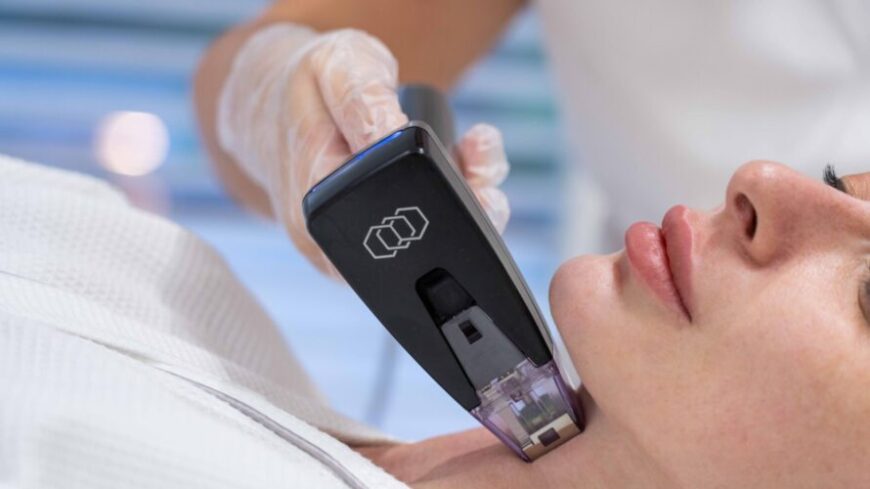
Combining acne and scar treatments is the key.
Supporting Treatments for Long-Term Results
Achieving clearer skin is only the first step. Maintaining those results requires ongoing support through both professional treatments and daily care. Medical facials and gentle maintenance procedures help keep pores clear, reduce inflammation, and preserve the progress made with acne and scar therapies. Dermatologists often combine these in-clinic treatments with prevention strategies, such as prescribing targeted skincare or adjusting routines to match each patient’s needs.
At-home regimens also play an important role. Using the right cleansers, moisturizers, and sun protection strengthens professional results and reduces the chance of new breakouts or scars forming. Dermatologists guide patients on selecting products that complement their skin type and treatment history, ensuring consistency and balance.
In Dubai, where heat and humidity can affect skin health, ongoing dermatology care becomes even more important. Regular follow-ups allow specialists to adjust treatments as the skin changes with climate, lifestyle, or age.
How Dermatologists Combine Acne and Scar Treatments for Best Results
Healthy, confident skin takes more than one treatment. Real progress comes when acne and scars are addressed together through expert care. Dermatologists combine acne and scar treatments for best results, helping patients achieve smoother texture, fewer breakouts, and lasting improvements. At our skin care clinic Dubai, we design personalized plans that focus on your unique skin concerns. From advanced procedures to professional maintenance and guided home care, every step is planned to give you visible, long-term results. Book your consultation today and discover how our team can help restore clear, radiant skin with proven methods and ongoing support.