







What Makes Some Facelift Results Look More Natural Than Others
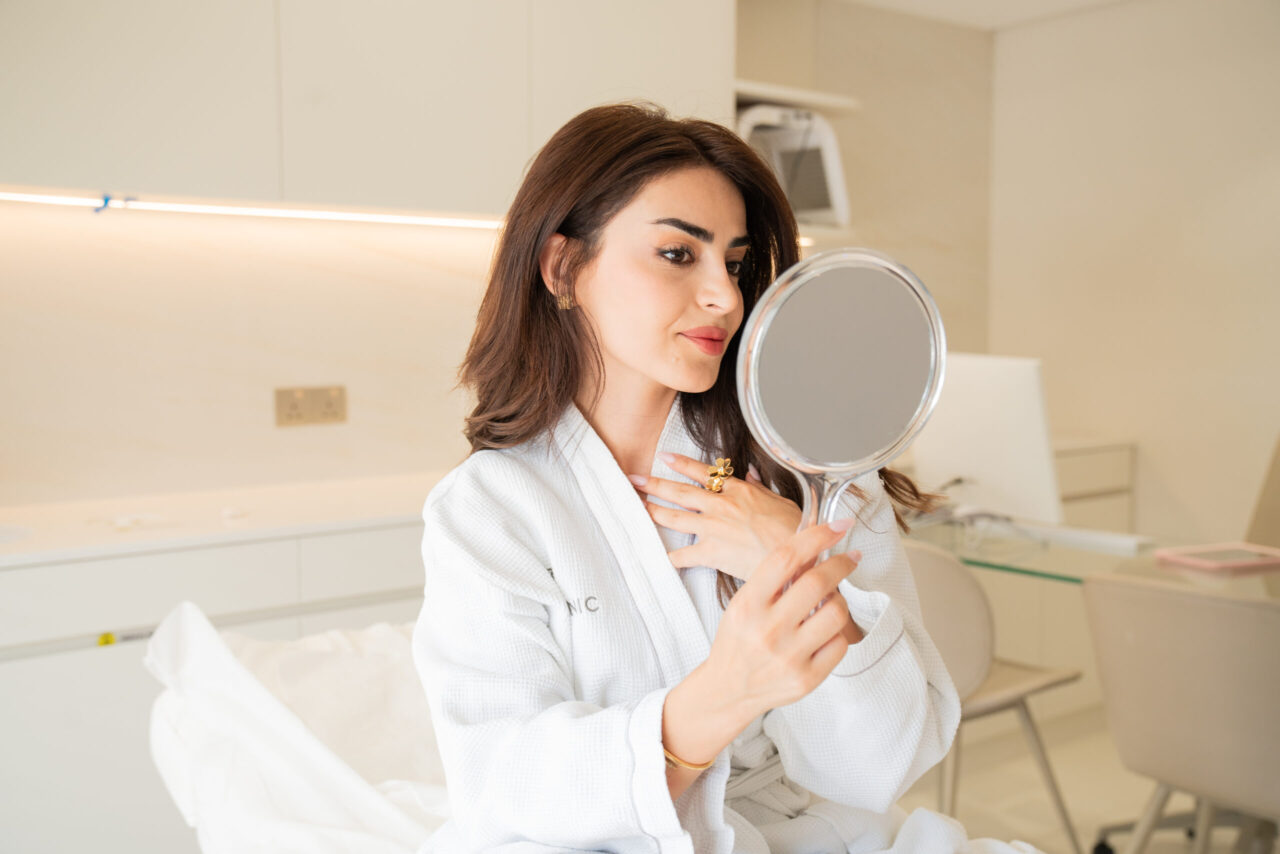
Many people hesitate before considering a facelift because they fear results that look tight, exaggerated, or clearly surgical. Patients usually want to look refreshed, not completely different. That concern has shaped modern aesthetic surgery in an important way. Surgeons now focus on subtle rejuvenation rather than dramatic change. This shift also explains why discussions about why some facelift results look more natural than others have become more common among patients researching facial procedures. A successful facelift restores facial balance across the cheeks, jawline, and neck instead of forcing the face into an unnatural shape. The goal is improvement that still feels authentic to the patient. Clinics that prioritize careful planning, such as Lucia Clinic Dubai, focus on this balanced approach to help patients achieve refined and believable outcomes!
Understanding Natural-Looking Facial Rejuvenation
Natural-looking facial rejuvenation focuses on improvement that feels believable and balanced. A well-executed face lift surgery Dubai doctors do should help a person look rested and healthier without drawing attention to the surgery itself. Friends may notice that the face appears brighter or more defined, yet they cannot identify a specific procedure. This type of result reflects careful planning and controlled correction rather than aggressive lifting. Surgeons aim to soften sagging along the jawline, refine the cheeks, and support the neck while preserving the patient’s recognizable features.
Maintaining facial identity plays an important role in natural outcomes. The face should still move comfortably when a person smiles, speaks, or reacts. Expressions must remain familiar because they shape how others recognize the individual. Skilled surgeons focus on subtle improvements that align with the patient’s existing structure instead of forcing dramatic change. Small adjustments often produce the most convincing rejuvenation. When improvements blend with the patient’s natural contours and expressions, the face appears refreshed rather than surgically altered.
Why Some Facelift Results Look Artificial?
Artificial facelift outcomes usually result from choices that ignore how the face actually ages. One common problem involves excessive skin tightening. When surgeons pull the skin too strongly, the face can appear stretched and unnatural. The cheeks may look flat, while the mouth area may appear tense. This approach removes natural softness and often creates a stiff expression.
Surgical technique also plays a major role. Poor incision placement, uneven lifting, or weak planning can distort facial balance. Even small technical errors can affect symmetry and natural movement.
Another major issue appears when surgery focuses only on the surface. Aging affects deeper facial layers, including fat pads and connective structures that support facial shape. If a procedure ignores these deeper layers, tightening the skin alone cannot restore natural contours. The result may look pulled rather than refreshed. These differences explain why some facelift results look more natural than others. Surgeons who correct bigger structural changes usually create results that appear smoother, balanced, and more believable.
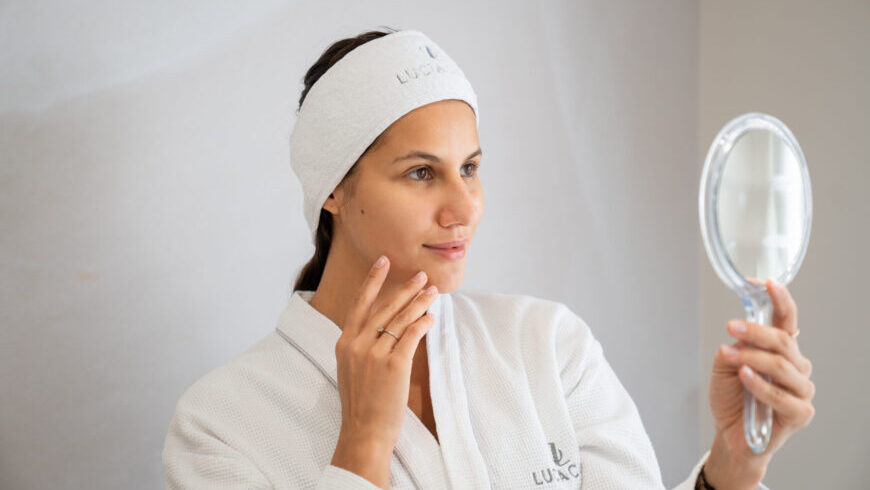
At Lucia Clinic, we focus on natural results.
The Role of Modern Surgical Techniques
Modern facelift surgery, which is one of the most popular facial surgery procedures in Dubai, focuses on deeper facial support instead of relying only on skin tightening. Aging affects the layers beneath the skin, including fat pads and connective tissue that shape the cheeks and jawline. When these deeper structures descend over time, the face can lose definition and balance.
Modern surgical methods address this issue by lifting and repositioning the deeper facial layers rather than simply pulling the skin upward. This approach helps restore natural facial contours while avoiding the tight or stretched appearance associated with older techniques. When surgeons adjust underlying structures, the skin can settle smoothly over the repositioned foundation.
As a result, the cheeks regain soft volume, the jawline appears more defined, and the lower face looks naturally supported. This method also allows the face to move more comfortably during everyday expressions. Because the correction occurs beneath the surface, the improvement often appears subtle yet effective. The face looks refreshed and balanced rather than dramatically altered.
Preserving Natural Facial Movement
Natural facelift results depend on more than improved contour. They also depend on how the face moves after surgery. A refreshed face should still smile, react, and speak in a way that feels familiar. That is why preserving facial movement remains such an important part of modern facelift planning. Surgeons must avoid excessive tension because tight skin can limit expression and create a stiff appearance. Instead, they focus on supporting the deeper tissues while allowing the surface to rest smoothly and naturally. This approach helps the cheeks, mouth, and jawline move in harmony during daily expressions. It also reduces the risk of a pulled or frozen look that often makes surgery obvious. Patients at Lucia Clinic often ask why some facelift results look more natural than others, and facial movement is a major reason. When the face keeps its normal dynamics, the result looks softer, more relaxed, and far more believable.
Facial Harmony and Proportion
Facial harmony and proportion shape how natural a facelift looks after healing. Even technically strong surgery can seem off if one area improves while the rest of the face does not match.
Treating the Face as a Whole
A natural facelift requires attention to the entire face rather than focusing on a single area. The cheeks, jawline, and neck work together to shape overall facial balance. When aging affects these areas, changes rarely occur in isolation. Sagging in the cheeks can soften the jawline, while neck laxity can reduce definition along the lower face. If surgery corrects only one region, the result may look uneven or incomplete. Skilled surgeons at Lucia Clinic study how these areas interact before planning treatment. They aim to restore harmony across the lower face instead of isolating one feature. This approach allows improvements to appear balanced and consistent. When the cheeks, jawline, and neck improve together, the face often looks refreshed and naturally proportioned.
Customizing Surgery to Individual Features
Every face ages in a different way, so facelift surgery must reflect the patient’s unique features. Age, skin quality, and bone structure all influence how the face changes over time. Some patients develop sagging in the jawline first, while others notice volume loss in the cheeks or looseness in the neck. Because of these differences, surgeons must evaluate the entire facial structure before recommending treatment. Personalized planning helps determine the right level of lifting and support for each area. Skin thickness, elasticity, and underlying bone shape also affect how tissues respond during surgery. When surgeons adapt the procedure to these factors, the final result tends to look more balanced and believable.
The Importance of Surgeon Experience
Surgeon experience often explains why some facelift results look more natural than others. A skilled surgeon understands how to improve facial definition with control, restraint, and respect for each patient’s natural structure.
Technical Precision
Technical precision plays a major role in achieving natural facelift results. Surgeons must reposition facial tissues with accuracy so the face maintains balanced contours. Each adjustment should support the cheeks, jawline, and neck without creating tension or distortion. Incision placement also requires careful planning. Well-positioned incisions allow scars to remain discreet while giving the surgeon proper access to deeper structures. In addition, strong knowledge of facial anatomy helps guide every step of the procedure. Surgeons who understand how muscles, fat layers, and connective tissue interact can restore support while protecting natural facial movement.
Artistic Judgment
Artistic judgment helps determine how much correction a face truly needs. A skilled surgeon studies facial balance before making adjustments. The goal involves improving contours without pushing the changes too far. Subtle lifting can refine the jawline and cheeks while preserving familiar facial character. Overcorrection, on the other hand, can create tension and make the result appear obvious. Surgeons with strong visual judgment know when small improvements create the best effect. They focus on harmony rather than dramatic alteration.
Complementary Treatments That Improve Results
Complementary treatments can support facelift results and improve overall facial quality. In many cases, combining surgical and non-surgical care helps create a more balanced and refined outcome.
Combining Facelift With Other Procedures
In many cases, surgeons combine a facelift with other procedures to improve overall facial balance. Aging often affects several areas at the same time, including the eyelids, jawline, and neck. If surgery corrects only one region, the result may appear incomplete. For example, eyelid surgery can help reduce heaviness around the eyes, while a neck lift in Dubai can improve definition beneath the jaw. These procedures support the facelift by addressing nearby areas that influence facial harmony.
Non-surgical facial treatments Dubai specialist recommend may also improve skin quality. Treatments that support skin texture, tone, and firmness can help the skin match the structural improvement created during surgery. When surgeons combine these approaches carefully, the final result often appears more balanced and natural.
Maintaining Results With Skin Care and Treatments
Long-term skin care helps preserve facelift results and supports a fresher appearance over time. Healthy skin keeps the face looking smoother, firmer, and more even after surgery. Daily sun protection, proper hydration, and medical-grade skin care products can help slow visible aging.
In addition, several professional treatments can support skin quality. Laser skin resurfacing can improve texture and fine lines, while chemical peels can brighten tone and refresh the surface. Microneedling Dubai doctors perform and radiofrequency skin tightening may also help support collagen production and firmness.
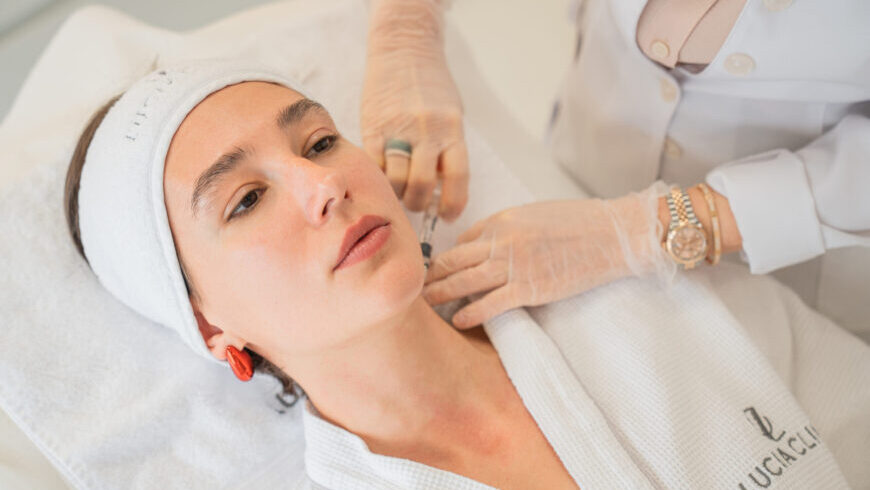
Facelift can be combined with other procedures.
Some patients also benefit from light neuromodulator treatments, such as botox Dubai doctors do to soften expression lines without changing facial movement. Regular follow-up visits help specialists adjust care as the skin changes. This kind of maintenance helps facelift results stay refined, balanced, and natural-looking for longer.
Patient Factors That Influence Results
Skin quality and elasticity strongly influence how a facelift result develops after surgery. Skin with good elasticity can adapt more smoothly to the repositioned facial structures. It settles evenly and supports refined contours along the cheeks, jawline, and neck. However, thinner or sun-damaged skin may respond differently. Reduced elasticity can limit how tightly the skin adjusts after lifting, which may affect the final appearance. Surgeons often evaluate skin thickness, hydration, and overall condition during consultation to plan the most suitable approach.
Realistic expectations also play an important role in patient satisfaction. A facelift can improve sagging, restore facial definition, and reduce deeper folds. However, it cannot completely stop aging or change every aspect of skin texture. Understanding these limits helps patients approach surgery with clear goals and appreciate the improvements achieved through careful surgical planning.
Proper Recovery and Aftercare
Recovery plays a major role in how facelift results develop. Patients must follow post-surgical guidance carefully to support proper healing. Surgeons usually provide instructions about rest, head elevation, medication, and activity limits during the first weeks after surgery. These steps help reduce swelling and protect the repositioned tissues. Unlike fillers Dubai patients may choose for quick volume correction with minimal downtime, facelift recovery requires more patience and closer aftercare. However, that extra healing period allows the deeper tissues to settle properly and support a more lasting result. When patients respect recovery guidelines, the face can heal in a smoother and more balanced way.
Patients should also attend follow-up appointments so the surgeon can monitor healing and address concerns early. Swelling and mild bruising are normal and take time to resolve. In many cases, the face continues to settle for several weeks as tissues adjust. Patience during this period is important because the final result becomes clearer once the swelling fully subsides.
Lucia Clinic’s Approach to Natural Facelift Results
Facelift is one of the most effective anti aging treatments at Lucia Clinic. Here, facelift planning begins with a detailed consultation and facial assessment. Surgeons study facial structure, skin quality, and the way different areas of the face interact. This evaluation helps them understand how aging has affected the cheeks, jawline, and neck. Instead of applying a standard surgical plan, the team develops a personalized approach for each patient.
The goal focuses on balanced and refined outcomes rather than dramatic alteration. Careful repositioning of facial structures allows the face to appear refreshed while maintaining natural expressions and identity. Surgeons also consider long-term facial harmony when planning treatment. They evaluate how improvements in one area will influence the overall appearance of the face over time. This thoughtful strategy helps ensure that results remain natural and consistent as the face continues to age. Through individualized planning and careful surgical technique, Lucia Clinic Dubai aims to create rejuvenation that feels subtle, elegant, and authentic.
Thoughtful Planning Makes All the Difference!
Natural facelift results do not happen by chance. They come from careful planning, surgical skill, and a treatment plan tailored to the patient’s facial structure. A successful procedure focuses on subtle rejuvenation rather than dramatic change. The goal is to restore balance across the cheeks, jawline, and neck while preserving the patient’s natural expressions and identity. These factors explain why some facelift results look more natural than others. Experience, technique, and thoughtful decision-making all influence the final outcome. Patients who choose an experienced surgeon and follow a personalized treatment plan often achieve results that look refreshed, balanced, and authentic while maintaining their unique appearance.