






Hybrid Breast Augmentation With Preservé and Fat Transfer: The Most Natural Option
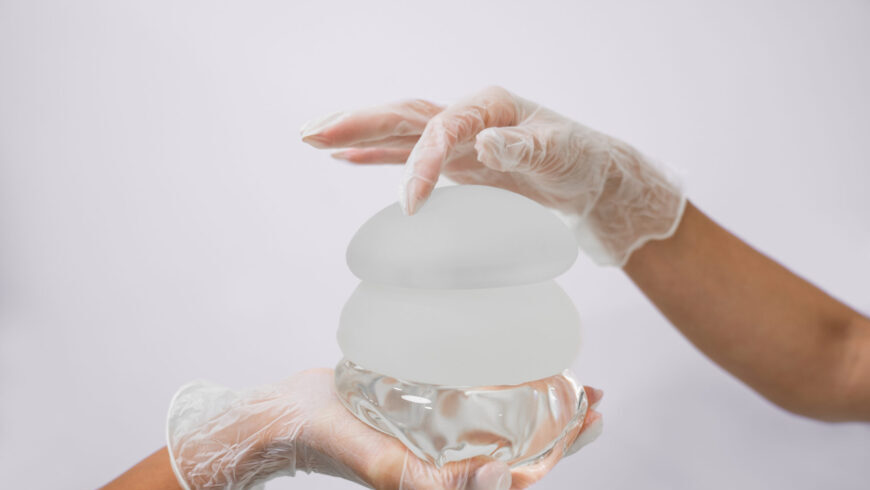
Breast augmentation is no longer about an obviously augmented look. Most women who come to us want shape, softness, and proportions that look like their own. Hybrid breast augmentation with Preservé and fat transfer combines a tissue-preserving implant with your own fat. The implant supplies predictable volume, while the fat refines areas where an implant alone might show. At Lucia Clinic Dubai, we plan this approach around your anatomy, your breast tissue, and the change you actually want. Understanding how the two techniques work together will help you get more from your consultation.
What Is Hybrid Breast Augmentation?
Hybrid augmentation combines a breast implant with autologous fat grafting in one operation. The implant creates the main projection and structure. The transferred fat adds a thin layer of your own tissue where extra softness or coverage is needed.
Instead of asking one technique to do everything, the surgeon uses each one for what it does best. The implant gives reliable shape, while fat softens edges, improves symmetry, and refines cleavage. In our experience, this division of roles is what makes the result look less “done” in clothing and swimwear.
Why Preservé Is the Implant Component
Preservé breast augmentation is built around a less invasive, tissue-preserving technique developed by Motiva. Instead of extensive dissection, specialized tools create the implant pocket while limiting disruption of the breast’s natural structures. The implant is placed above the muscle using a no-touch technique, and the procedure usually takes 60 to 90 minutes.
For a hybrid plan, this creates a stable structural foundation. The implant defines the planned volume and projection, and fat is then used selectively around it. Because the pocket is created gently, many of our patients describe an easier early recovery than they expected from breast surgery.
What Fat Transfer Adds to the Result
Fat is collected through liposuction, purified, and injected in small amounts into chosen areas of the breast. During a standalone fat transfer breast augmentation Dubai procedure, fat creates all the new volume. In a hybrid procedure, its job is refinement rather than size.
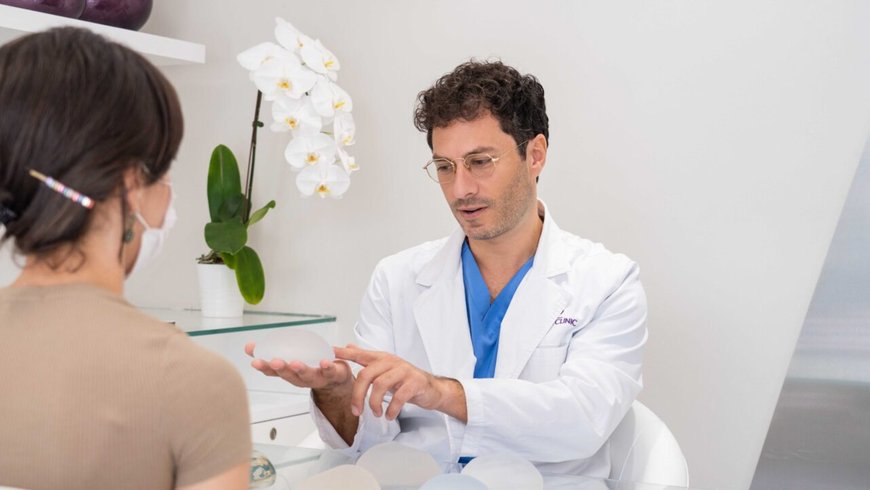
Planning starts with a detailed breast and donor-site assessment.
The surgeon may use fat to cover a visible implant edge, smooth the upper pole, fill the inner breast for softer cleavage, or correct a small difference between the two sides. Fat that survives and develops a blood supply becomes part of your breast, which is why it feels natural to the touch.
How Hybrid Augmentation Is Planned Around Your Proportions
Every hybrid plan starts with measurements rather than a cup size. The surgeon looks at chest width, breast base width, the distance between the breasts, and how much tissue already covers the upper pole. These numbers guide the implant width and profile before fat is even considered.
Fat then fills the gaps that measurements reveal. A narrow cleavage gap, a flatter upper pole, or a small difference between sides are typical targets. In our experience, patients who see their measurements explained during consultation feel far more confident about the final plan, because they understand why a specific implant and a specific amount of fat were chosen.
Who Is the Ideal Candidate for Hybrid Preservé Augmentation?
Hybrid augmentation suits women who want reliable volume but care most about subtle contours. Good candidates often have thin breast tissue coverage, mild asymmetry, or limited natural volume. It is also a frequent choice after pregnancy and breastfeeding, once breast size has stabilized.
You also need enough harvestable fat. A pattern we see often in consultations is a very slim patient who would benefit most from fat coverage but has the least fat to spare. In those cases, careful donor planning decides whether hybrid augmentation is realistic or whether Preservé alone is the better route.
Why Slim and Athletic Women Often Choose This Approach
Slim and athletic women usually have less soft tissue over the chest. That can make implant borders or rippling easier to see or feel, especially along the upper and inner breast. A small amount of fat in those zones adds coverage without forcing a larger implant.
Many of the women who ask us about a breast augmentation Dubai procedure train regularly and want a result that still looks proportionate in sportswear. For them, hybrid planning often allows a moderate implant with a softer finish. The final plan still depends on available donor fat and anatomy.
How the Procedure Works Step by Step
Hybrid surgery follows a clear sequence. Each stage is planned before the day of the operation:
- Measure the breasts, chest width, tissue thickness, and asymmetry.
- Choose the implant volume and profile, and mark the donor areas.
- Harvest fat through liposuction and prepare it for grafting.
- Place the Preservé implant using the tissue-preserving technique.
- Inject purified fat in small amounts where refinement is needed.
- Compare both breasts together before closing.
Because the implant goes in first, the surgeon can see exactly where the shape needs help. Fat is then placed with precision rather than spread evenly across the breast.
Which Donor Areas Are Used for Fat Harvesting?
The abdomen, flanks, lower back, and inner or outer thighs are the most common donor areas. The best choice depends on where you naturally store fat and how that area relates to your overall shape.
This adds a contouring benefit to breast surgery. Liposuction in Dubai refines the donor area while supplying tissue for the breasts. The amount removed is based on safe planning, not on collecting as much fat as possible.
What Are the Benefits of the Hybrid Approach?
The main benefit is control. The implant provides predictable central volume, while fat handles smaller adjustments that implant choice alone cannot solve. Potential advantages include:
- Softer transitions between the breast and chest
- Extra tissue coverage over the implant edges
- Fuller, more natural-looking cleavage
- Correction of mild asymmetry
- Contouring of the donor area in the same operation
Some patients can also reach their preferred look without choosing a bigger implant just to fill one specific area. In our experience, that is often the deciding factor for women who worried that an implant would look “too much.”
How Hybrid Augmentation Compares to Preservé Alone
Preservé alone already gives natural-looking volume and shape. Hybrid augmentation adds a second tool for refining coverage and contour. Patients with enough natural breast tissue often do not need fat at all.
For someone with thin coverage, visible asymmetry, or a specific contour concern, fat can make a visible difference. The right choice depends on your anatomy, not on the idea that more procedures automatically mean a better result. Your surgeon will tell you honestly if the extra step adds little in your case.
How Hybrid Augmentation Compares to Fat Transfer Alone
Fat transfer alone suits women who want a modest increase without an implant, and our guide to breast implants vs. fat transfer explains that trade-off in detail. Its result depends heavily on donor fat and on how much of the graft survives. For many patients, that makes the final size harder to predict.
Hybrid augmentation removes most of that uncertainty. The implant sets the size, and the fat works on softness and detail. This is why women who want more than a small change, but still want a natural feel, often end up in the hybrid group.
How Much of the Transferred Fat Survives?
Not all transferred fat survives permanently, and no surgeon can promise an exact percentage. A 2026 systematic review and meta-analysis of 47 studies and 4,425 patients found average fat graft uptake of about 53% per breast. The same review reported that around 12% of patients needed an additional fat grafting session.

Preservé provides the structural base of a hybrid augmentation.
In a hybrid plan, this matters less than in fat-only augmentation, because the implant carries most of the volume. Once retained fat has a blood supply, it behaves like the rest of your body fat. Large weight changes can therefore alter breast volume over time.
The Role of 3D Imaging in Planning
Planning a hybrid result is easier when you can see options before surgery. Crisalix 3D Imaging creates a simulation of your torso with different implant sizes and profiles. Many patients tell us this is the moment their goals become clear.
A simulation cannot show exactly how fat will settle or how your tissue will heal. Its value is in communication, because it lets you point at what looks too subtle, too full, or just right.
What Is Recovery Like After Hybrid Augmentation?
Recovery involves two areas: the breasts and the donor sites. You can expect swelling, tenderness, and some bruising in both during the first one to two weeks. Compression garments on the donor area and a supportive bra help control swelling.
Grafted fat needs protection while it establishes a blood supply, so avoid pressure on the breasts and follow sleeping instructions closely. Your surgeon will give you personal milestones for returning to work, exercise, and lifting. Preservé’s gentle technique often makes the breast side of recovery feel more manageable.
When Will You See the Final Result?
You will see a clear difference immediately, but this is not the final shape. Early swelling and the initial fat volume can make the breasts look fuller than they will be later.
As swelling settles and part of the fat is reabsorbed, the breasts soften and drop into position. With Preservé, final results usually develop over 3 to 6 months. Most of our patients notice the biggest change in softness between months two and four.
Scarring and Discretion
Hybrid augmentation uses a small breast incision for the implant and tiny entry points for liposuction and fat injection. Preservé is designed for smaller, more refined incisions than conventional augmentation.
Scar appearance still depends on genetics, placement, healing, and aftercare. Protecting healing scars from the Dubai sun is one of the simplest ways to help them fade well. Your team will tell you when scar care products can be started.
Common Misconceptions About Hybrid Breast Augmentation
One common belief is that fat can create any breast size. In reality, available donor fat, safe injection volumes, and graft survival limit what fat alone can do. That is exactly why the implant carries the main volume in a hybrid plan.
Another belief is that implants always look obvious. Visibility depends on implant size, placement, tissue coverage, skin quality, and technique. Hybrid augmentation does not require a large implant or a harder recovery, and every plan should be built around your body.
Long-Term Care for Hybrid Results
Hybrid results combine a stable implant with living tissue, and both can change over time. Aging, pregnancy, hormonal shifts, gravity, and weight changes all affect the breasts. Breast implants are also not lifetime devices, so regular follow-up remains important.
Keeping your weight stable protects the fat component of the result. Preservé is supported by Motiva’s Always Confident Warranty, and routine check-ups let your surgeon assess both breasts and implants over the years.
Why Choose Lucia Clinic for Hybrid Preservé Augmentation?
Hybrid surgery needs experience in both implant-based augmentation and fat grafting, because the two must work as one plan. For patients comparing the best plastic surgery options in Dubai, Lucia Clinic offers Preservé with internationally trained surgeons such as Dr. Sanjay Parashar.
At your consultation, ask about the surgeon’s Preservé experience, previous hybrid cases, and how much volume would come from fat versus the implant. A good consultation also covers risks, limitations, and recovery, so you can decide with clear expectations.
Questions to Ask Before Hybrid Augmentation
A clear consultation helps you compare options with confidence. Useful questions include how much volume will come from the implant, where the fat will be placed, which donor area will be used, and what happens if some fat is reabsorbed.
Ask to see how the plan looks in 3D before you decide. It is also worth asking how follow-up visits are scheduled in the first year, since fat continues to settle during that time.
Discover Hybrid Breast Augmentation at Lucia Clinic Dubai
Hybrid breast augmentation with Preservé and fat transfer gives you predictable implant volume with the softness and detail of your own tissue. Preservé sets the shape and projection, while carefully placed fat improves coverage, cleavage, and symmetry. The right balance between the two depends on your anatomy, your donor fat, and how natural you want the result to look. If you want an elegant enhancement without an overly augmented appearance, book a consultation at Lucia Clinic Dubai and plan your hybrid augmentation around your body and your goals.