






Preparing for PRP Treatment: What to Do 48 Hours Before Your Session

PRP uses your own platelets to support skin renewal and hair growth, so the condition of your blood and skin on the day of treatment really matters. A few simple steps in the two days before your appointment can make the session more comfortable and help you get more from it. Preparing for PRP treatment is mostly about hydration, food, medications, and skin care, and none of it is complicated. At Lucia Clinic Dubai, we give every patient a short preparation plan, and the steps below follow the same logic so you can arrive ready.
Why Preparation Matters for PRP
PRP stands for platelet-rich plasma. A small amount of your blood is drawn, spun in a centrifuge for about five minutes, and separated so the platelet-rich layer can be used. Those platelets release growth factors that support collagen and tissue repair.
Because the treatment depends on your own blood, what you eat, drink, and take beforehand can influence the session. Good preparation makes the blood draw easier, reduces bruising, and supports the regenerative effect. In our experience, well-prepared patients also report a calmer, more comfortable appointment.
What to Do 48 Hours Before Your Session
The two days before PRP are when small habits make the biggest difference. Use this checklist as a guide:
- Drink plenty of water throughout both days.
- Avoid alcohol, which dehydrates you and can increase bruising.
- Ask your doctor about pausing anti-inflammatory painkillers.
- Stop exfoliating acids and retinoids on the treatment area.
- Protect your skin from the sun and avoid tanning.
- Get a good night’s sleep before the appointment.
Each of these steps is simple, but together they set up your skin and blood for the best possible session.
A Simple 48-Hour Timeline
It can help to see the preparation as a short timeline. Two days before, start drinking more water and stop alcohol. The day before, skip exfoliating products and confirm any medication advice with your doctor.

Scalp PRP works best on clean hair without styling products.
On the morning of treatment, eat a normal meal, cleanse your skin or wash your hair, and arrive without makeup. That is all most patients need. If anything is unclear, our team is happy to confirm the steps by phone.
Preparing for PRP If You Are Nervous About Needles
Some patients feel anxious about the blood draw or the injections. This is common, and it can be managed. Tell the team in advance so they can give you extra time and explain each step as it happens.
Eating beforehand, staying hydrated, and lying down for the blood draw all reduce the chance of feeling faint. Numbing cream is applied well before treatment begins, so most patients find the session far easier than they expected. Bringing headphones and calming music can also help.
How PRP Preparation Differs for Men
Men preparing for PRP follow the same basic steps, with a few extra points. Shaving the treatment area should be done the day before rather than the same morning, so the skin is not irritated. Intense gym sessions and supplements such as high-dose fish oil should be paused in the final days.
For scalp PRP, men with short hair should still wash the scalp the morning of treatment. Clean, product-free skin or scalp is the goal for every patient.
Hydration: The Most Important Step
Hydration affects both the blood draw and the quality of the plasma. Well-hydrated veins are easier to access, which makes the draw quicker and more comfortable. Our PRP treatment guidance asks patients to drink plenty of water in the days before their session.
Aim to sip water steadily over the 48 hours rather than drinking a large amount just before you arrive. Dubai’s heat and air-conditioned interiors dehydrate the body quickly, so this step deserves extra attention here.
What to Eat Before PRP
Eat a normal, balanced meal a few hours before your appointment. Coming in hungry can make you feel lightheaded during the blood draw. Include some protein and complex carbohydrates to keep your energy stable.
In the two days before, try to limit very salty, processed food and heavy alcohol. These can increase puffiness and make the skin look more reactive after treatment. A simple, hydrating diet is all you need.
Medications and Supplements to Discuss First
Some medications affect platelet function. Anti-inflammatory painkillers such as ibuprofen, and daily aspirin, can reduce how platelets work. Supplements such as fish oil, vitamin E, and ginkgo may also increase bruising.
Never stop a prescribed medication on your own. If you take aspirin or blood thinners for a medical reason, tell your doctor at Lucia Clinic during the consultation. Your doctor will decide whether a pause is safe and how long it should be. People with certain blood disorders or clotting conditions may not be suitable for PRP at all.
Skin Care in the Days Before Treatment
For facial PRP, the skin should be calm and intact. Stop strong exfoliating acids and retinoids on the treatment area a few days beforehand. Avoid waxing, threading, or new products that might irritate the skin.
We also advise patients to wear sunscreen every time they go out for seven days before treatment. Sun-stressed or freshly tanned skin reacts more strongly to microneedling and injections. This is especially relevant under Dubai’s strong year-round sun.
Preparing for PRP on the Scalp
Scalp PRP has its own simple routine. Wash your hair the morning of your session, and skip styling products such as gels, sprays, and dry shampoo. A clean scalp makes treatment easier and more hygienic.
Many of our hair patients combine PRP with a broader plan for thinning. If you are having PRP as part of hair loss treatment, your doctor may also review your blood tests, diet, and any medications linked to shedding.
What to Avoid on the Day of Your Appointment
On the day itself, keep things simple. Arrive without makeup, moisturizer, or other skincare on the treatment area. This saves time and lowers the risk of irritation.
Avoid intense workouts just before your session, and skip caffeine if it makes you feel jittery during needles. Wear comfortable clothing with sleeves that roll up easily for the blood draw. If you feel unwell or have an active skin infection, call us to reschedule.
When You Should Reschedule
Sometimes the best preparation is to move the appointment. Reschedule if you have a fever, a cold sore, an active skin infection, or a fresh sunburn on the treatment area. These conditions can increase the risk of complications.
You should also reschedule if you have recently started a new medication without telling your doctor. A short delay is always better than treating skin that is not ready. Our team can usually offer a new date quickly.
What Happens During the Session
Knowing what to expect reduces anxiety. The session usually takes around 30 to 40 minutes. Here is the typical sequence:
- A small blood sample is drawn from your arm
- The sample is spun in a centrifuge for about five minutes
- The treatment area is cleansed and numbing cream is applied
- PRP is injected or applied with microneedling
For facial treatment, PRP is often combined with microneedling so the plasma reaches deeper layers of the skin.
Does PRP Hurt?
Most patients describe PRP as mildly uncomfortable rather than painful. The numbing cream makes a clear difference, especially around the eyes and lips. The blood draw feels like a routine blood test.
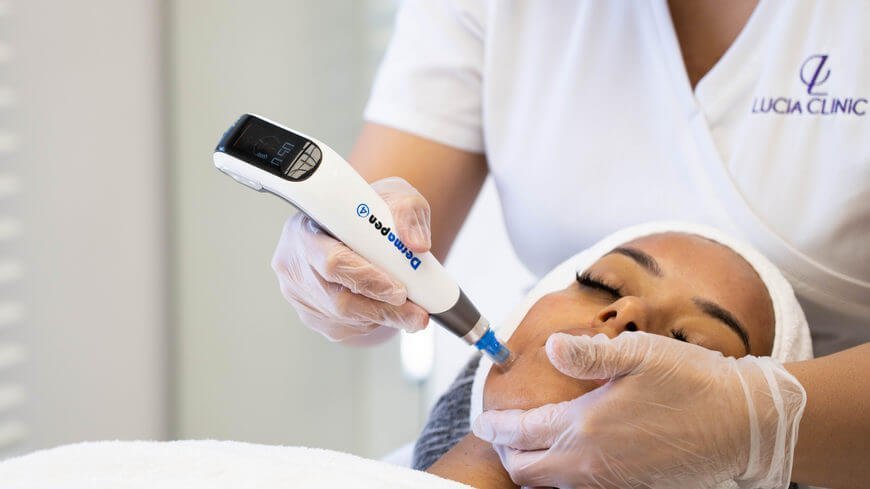
Facial PRP is often paired with microneedling.
Good preparation helps here too. Hydrated patients usually have an easier blood draw, and avoiding alcohol and certain supplements can reduce bruising afterward.
PRP for Sun-Stressed Skin in Dubai
Dubai’s climate puts constant stress on the skin. Strong sun, heat, and dry indoor air can leave the complexion dull, dehydrated, and uneven. PRP supports the skin’s own repair processes, which is why many residents use it as part of their routine.
For patients with visible sun damage, PRP is often one part of a wider plan. Our guide to how we repair sun-damaged skin covers the other treatments that work alongside it. Sun protection before and after each session protects your investment.
Aftercare in the First 48 Hours
What you do after PRP matters as much as what you do before. Avoid touching the treated area or applying products for several hours. Wait about 12 hours before using moisturizer, as the skin can feel dry or flaky for a day or two.
Mild redness, swelling, and small bruises are normal and usually settle within one to two days. Use sunscreen consistently during the first week, and avoid saunas, intense exercise, and alcohol for the first day. Researchers reviewing medications that can interfere with PRP also note that anti-inflammatory drugs may reduce its effect, so check with your doctor before taking painkillers after treatment.
How Many Sessions Will You Need?
Most patients see the best results after a course rather than a single visit. At Lucia Clinic, we usually recommend three to four sessions, spaced about four weeks apart. More advanced concerns, such as acne scars, may need four to six sessions.
Collagen builds gradually, so results continue to improve for several weeks after each session. Maintenance treatments a few times a year help keep the effect. Some patients also ask about ACell + PRP for hair, which your doctor can compare with standard PRP during your consultation.
What Results Look Like Over Time
PRP results build gradually. Many patients notice a fresher look within a few days, once redness settles. Collagen production then continues over the following weeks.
The clearest changes usually appear after the full course. Skin often looks smoother, more even, and better hydrated. Results can remain visible for many months, especially with maintenance sessions and good sun protection.
Combining PRP With Other Treatments
PRP works well alongside other regenerative and skin treatments. It can be combined with lasers, peels, and skin boosters as part of a broader plan. The order and spacing depend on your skin and goals.
Our article on how PRP and exosomes work together explains one combination many of our patients choose. Your preparation steps stay the same, though your doctor may add specific instructions for combined sessions.
How PRP Compares to Exosome Treatment
PRP uses growth factors from your own blood. Exosome treatments use lab-prepared signaling particles and do not need a blood draw. Both aim to support skin renewal, but they suit slightly different patients.
ExoSCRT exosomes treatment can be an option for patients who prefer not to have blood taken. Your doctor will recommend the most suitable option based on your skin and goals. Preparation for exosomes is usually simpler, since no blood draw is involved.
Common Preparation Mistakes to Avoid
A few habits regularly make PRP sessions less comfortable. The most common is arriving dehydrated after a long day in the heat. Another is taking ibuprofen for a headache the day before without mentioning it.
Other mistakes include a glass of wine the night before, a strong retinol the evening before, or skipping breakfast. Each one is easy to avoid once you know about it. Our team reminds patients of these points when confirming the appointment.
Who Should Not Have PRP?
PRP is suitable for most adults, but not everyone. People with certain blood disorders, low platelet counts, or clotting conditions that require blood thinners are usually not good candidates. Active skin infections in the treatment area also mean waiting.
Pregnancy, active cancer treatment, and some chronic illnesses need individual assessment. Always share your full medical history during the consultation, so your doctor can confirm PRP is safe for you.
Questions to Ask Before Your First PRP Session
It helps to arrive with a few questions. Ask how many sessions your concern needs, whether microneedling will be used, which medications to pause, and how soon you can wear makeup. Clear answers make the 48 hours before treatment simple to plan.
Getting the Most From Your PRP Treatment
Preparing for PRP treatment takes very little effort, yet it shapes how comfortable your session feels and how well your skin or scalp responds. Stay hydrated, eat normally, discuss medications with your doctor, protect your skin from the sun, and arrive with clean skin or hair. These steps help your own platelets do their best work. If you are ready to start, book your PRP consultation at Lucia Clinic Dubai and receive a preparation plan tailored to your treatment.