






Gynecomastia Surgery Recovery: When Men Can Return to the Gym
For many men, the first question after booking chest reduction surgery is not about the scar or the swelling. It is about the gym. Gynecomastia surgery recovery follows a fairly predictable timeline, and knowing when you can return to cardio, leg day, and chest training helps you protect your result while staying active. At Lucia Clinic Dubai, many of our male patients train regularly, so we plan their return to exercise as carefully as the surgery itself, and the stages below will help you prepare yours.
What Happens During Gynecomastia Surgery?
Gynecomastia surgery removes excess glandular tissue and fat from the male chest. Surgeons usually combine liposuction for the fatty component with a small incision, often at the edge of the areola, to remove firm gland tissue. In some cases, excess skin is also tightened, as our overview of male chest reduction explains.
The goal is a flatter, firmer, more masculine chest. The amount of tissue removed shapes how demanding the recovery will be. A patient with mostly fatty fullness usually recovers faster than one who needs extensive gland or skin removal.
Why Recovery Time Matters for Your Results
Returning to heavy training too early is one of the most common ways men compromise their outcome. Pressure and strain on the chest can increase swelling, cause fluid collection, or stretch healing tissue. In rare cases, it can affect symmetry.
Patience in the first six weeks protects a result that should last for years. A pattern we see often is a patient who feels great at week two and wants to bench press. Swelling still sits under the skin at that stage, and the tissue needs more time.
The First 48 Hours After Surgery
The first two days are about rest. You will wear a compression vest from the moment surgery ends. Mild to moderate soreness, tightness, and swelling are normal and are managed with prescribed pain relief.
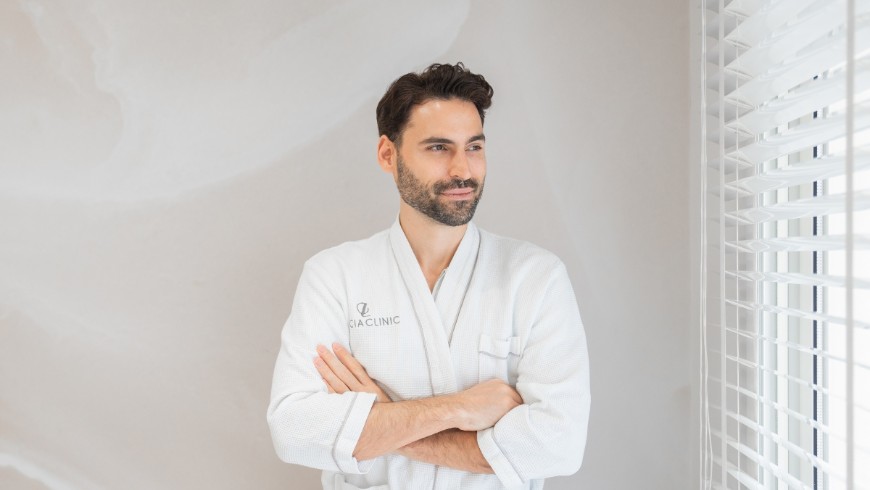
Follow-up visits confirm each training milestone.
Short, gentle walks around the house help circulation. Avoid lifting your arms high or carrying anything heavy. Rest as much as you can, and keep your phone, water, and medication within easy reach.
Choosing the Right Compression Vest Fit
A compression vest only works if it fits correctly. It should feel firm and supportive, but it should not dig into the skin, restrict breathing, or cause numbness. Wrinkles or folds in the fabric can leave marks on healing skin.
Your team will check the fit before you leave the clinic. Many men need a smaller vest after the first two weeks as swelling goes down. Wearing a thin cotton layer underneath can improve comfort in Dubai’s heat.
Training Mistakes That Can Affect Your Result
Most setbacks during recovery come from doing too much too soon. Common mistakes include returning to push-ups early, using heavy dumbbells for shoulder work, and skipping the compression vest during workouts. Hot yoga and saunas in the first weeks can also increase swelling.
Another mistake is ignoring warning signs. New swelling on one side, increasing pain, or fluid under the skin should always be checked by your surgeon. A short pause in training is far better than a complication that delays recovery by weeks.
Returning to Work and Daily Life
Most men with office jobs return to work within about one week. Driving usually resumes once you no longer need strong pain medication and can move comfortably. Jobs involving lifting or physical work need longer, often three to four weeks.
Wear loose shirts that button at the front for the first days. Your vest can be worn discreetly under most clothing. Many of our patients return to work without colleagues noticing anything.
Sleeping Positions in the First Weeks
Sleeping on your back with your upper body slightly raised is usually recommended for the first two to three weeks. This position limits pressure on the chest and helps swelling drain. Side sleeping is usually allowed later.
Stomach sleeping should wait the longest. Our guide on how to sleep after different plastic surgery procedures explains why. A few extra pillows make the first nights far more comfortable.
Week One: Walking and Light Movement
During the first week, walking is your main exercise. Several short walks a day support circulation and reduce the risk of blood clots. Gentle arm movements for daily tasks, such as eating and washing, are fine.
Keep the compression vest on as instructed, usually day and night. Do not lift weights, run, or swim during this week. Showers are usually allowed after your surgeon confirms it is safe for the incisions.
Weeks Two to Three: Light Cardio
If healing is on track, light cardio usually returns in the second or third week. Brisk walking, a stationary bike, or an incline treadmill at a comfortable pace are good options. Keep your heart rate moderate and avoid bouncing movements.
Stop if you notice increased swelling, pain, or tightness. Running and high-intensity intervals still wait. These sessions are about rebuilding routine, not chasing fitness goals.
Weeks Three to Four: Lower-Body Training
Many men can start lower-body training around week three or four, with their surgeon’s approval. Machine-based leg exercises are a sensible start because they keep the upper body stable. Leg press, leg extensions, and hamstring curls work well.
Avoid heavy squats and deadlifts with a barbell on your back or in your hands. These lifts load the chest and shoulders more than most men realize. Start light and increase gradually over the following weeks.
Week Six: Returning to Chest and Upper-Body Training
Around week six, most surgeons allow a gradual return to upper-body training. Begin with light weights and higher repetitions for the back and shoulders. Chest work comes last.
When you return to chest exercises, use about half your usual weight and build up over several weeks. Push-ups, bench press, and dips put direct strain on the chest, so introduce them carefully. Our surgeons give each patient a personal green light rather than a generic date.
A Simple Return-to-Gym Timeline
Every recovery is individual, but this is the typical progression we discuss with patients:
- Days 1 to 7: walking only, compression vest at all times
- Weeks 2 to 3: light cardio at a moderate pace
- Weeks 3 to 4: machine-based lower-body training
- Weeks 5 to 6: light back and shoulder work
- Week 6 onward: gradual return to chest training
- Weeks 8 to 12: back to full intensity for most men
Your surgeon may adjust this depending on the extent of surgery and how you heal.
When Can You Swim or Use the Sauna?
Swimming pools, the sea, and saunas usually wait until incisions are fully closed. For most men, this means around four to six weeks. Water and heat can irritate healing wounds and increase swelling.
Many of our patients live an active outdoor lifestyle in Dubai. We plan beach and pool time into their recovery calendar from the start. When you return to the sun, protect the scars with clothing or high-SPF sunscreen.
Scar Care for a Discreet Result
Most gynecomastia incisions are small and placed at the edge of the areola. They usually heal into fine lines that blend with the natural color change. Liposuction entry points are even smaller.
Scar care begins once the incisions have closed. Silicone gel or sheets, sun protection, and patience help scars fade. Most scars continue to soften for up to a year after surgery.
How Long Do You Wear the Compression Vest?
The compression vest is one of the most important parts of recovery. It reduces swelling, supports the skin as it adapts, and helps the new contour settle. Most men wear it around the clock for the first few weeks.
After that, many surgeons recommend wearing it during the day or during workouts for a few more weeks. According to the American Society of Plastic Surgeons, a support garment helps minimize swelling and supports the new chest contour as it heals. In Dubai’s heat, choosing breathable layers over the vest makes it much easier to wear.
Swelling and When You See the Final Result
You will notice a flatter chest right after surgery, but swelling hides the full result. Most visible swelling settles within the first six weeks. Subtle swelling can take three to six months to resolve completely.

Clear milestones make the return to training easier.
Firmness or small lumps under the skin are common during healing and usually soften with time. Gentle massage may be recommended once your surgeon approves it. Comparing photos month by month shows progress better than the mirror.
Nutrition and Hydration for Faster Healing
Recovery is a good time to support the body from the inside. Adequate protein helps tissue repair. Plenty of water helps control swelling and supports energy, especially in Dubai’s climate.
Limit salty food and alcohol, as both can increase swelling. If you use protein shakes, they are generally fine, but avoid supplements with stimulants in the first weeks. Ask your surgeon about any supplements you plan to take.
Anabolic Steroids and Recurrence
Gynecomastia can return if its cause continues. Anabolic steroids and some testosterone-boosting products are known triggers of breast tissue growth. Significant weight gain can also bring back fatty fullness.
Discuss any hormone or supplement use openly during your consultation. Our guide to enlarged male breasts explains the main causes. Addressing them protects your result long after recovery.
Signs Your Recovery Is on Track
Most men see steady progress week by week. Swelling decreases, bruising fades, and movement feels easier. You should notice the chest becoming flatter and softer over the first two months.
Contact the clinic if you notice one side swelling suddenly, increasing pain, fever, or fluid leaking from an incision. Early review allows small problems to be solved quickly. Your follow-up appointments are also the right time to confirm each training milestone.
When Gynecomastia Surgery Is Combined With Other Procedures
Some men combine chest reduction with liposuction of the abdomen or flanks. This creates a more balanced torso, but it can extend recovery. Training restrictions then follow the slowest-healing area.
Liposuction in Dubai adds compression garments for the treated areas too. Your surgeon will combine both timelines into one return-to-gym plan.
Non-Surgical Support After Recovery
Once you are fully healed, some men add non-surgical treatments to define the area further. Muscle-building and fat-reducing technologies can complement surgery once your surgeon confirms healing is complete.
Emsculpt NEO is one option some patients consider for core definition after recovery. These treatments enhance a good result but do not replace surgery for true gland tissue.
The Mental Side of Recovery
For many men, gynecomastia has affected confidence for years. Recovery can bring frustration when swelling hides the result. Some men also feel restless when they cannot train.
Knowing the timeline helps. Focus on the milestones you can control, such as walking, nutrition, and wearing the vest. Most men tell us the moment they first train in a fitted shirt makes the wait worthwhile.
Why Men Choose Lucia Clinic for Gynecomastia Surgery
Male chest surgery needs a surgeon who understands masculine proportions. The aim is a natural, athletic contour rather than a flat, hollow chest. At Lucia Clinic, gynecomastia surgery in Dubai is planned around your chest shape, training goals, and lifestyle.
Our team also offers a wider men’s clinic program for stubborn fat and enlarged chest tissue. Discretion and clear recovery planning are part of every consultation.
Questions to Ask Your Surgeon About Recovery
Before surgery, ask how long you will wear the vest, when you can drive, when cardio and weights can return, and how many follow-up visits are planned. Ask whether liposuction alone or gland removal is planned, since this changes the timeline.
Written milestones make it easier to stay patient when you feel ready to train before your body is.
Getting Back to Training With Confidence
Gynecomastia surgery recovery usually means walking in week one, light cardio by weeks two to three, lower-body training by week four, and a gradual return to chest training from around week six. Wearing your compression vest, staying hydrated, and avoiding early heavy lifting protect the result you worked for. Most men are back to full intensity within two to three months. If you are ready to plan your surgery and your return to the gym, book a consultation at Lucia Clinic Dubai and get a recovery plan built around your training.