







Which Vitamin Deficiencies Are Linked to Hair Loss?

When hair begins to thin, many people immediately wonder if vitamin deficiencies are linked to hair loss. Hair follicles are highly sensitive to nutritional imbalances, and even small shortages can affect hair density, texture, and shine. However, internal deficiencies rarely tell the whole story—factors like hormones, stress, genetics, and scalp health also play a significant role in how hair looks. At Lucia Clinic Dubai, we take a comprehensive approach, combining nutritional guidance, lifestyle support, and targeted aesthetic treatments to help improve the appearance of hair. By addressing both internal health and external factors, clients can achieve visible, long-lasting results while supporting healthier regrowth.
How Vitamin Deficiencies Affect Hair Appearance
Hair is highly sensitive to nutritional shifts because follicles demand constant energy and oxygen. During the growth phase, hair matrix cells divide rapidly. When the body detects a shortage of iron, vitamins, or trace minerals, it conserves resources for essential systems. Hair growth becomes a low priority.
This shift can happen quietly. People often notice increased hair fall 8–12 weeks after a deficiency begins, not immediately. Density changes may follow even later. The hair shaft itself can become thinner, which reduces volume without dramatic shedding.
Vitamin and mineral shortages affect hair in several visible ways:
- Reduced hair shaft diameter, making hair look finer
- Increased shedding, especially during washing or brushing
- Dullness or dryness due to reduced sebum production
- Slower regrowth after shedding
It’s also important to distinguish between shedding and thinning. Shedding involves higher daily hair loss, sometimes exceeding 150–200 hairs per day, often noticed during washing. Thinning is slower and more subtle, driven by weaker regrowth rather than dramatic loss. Vitamin deficiencies are more strongly linked to shedding patterns than to long-term density reduction.
Common Vitamin Deficiencies Associated With Hair Thinning
Several vitamin deficiencies are linked to hair loss, though they rarely occur on their own. Most affect how hair sheds, regrows, and maintains thickness rather than causing sudden loss.
- Iron (Ferritin) – Low iron stores are one of the most frequent findings in people experiencing hair shedding, especially women. Hair growth may be affected when ferritin levels fall below 30–40 ng/mL, even if anemia is not present. Reduced iron availability shortens the growth phase of the hair cycle, leading to increased shedding and slower regrowth.
- Vitamin D – Vitamin D helps regulate the hair growth cycle and supports scalp health. Studies estimate that 40–60% of adults have insufficient levels. Deficiency may contribute to prolonged shedding phases, slower regrowth, and scalp sensitivity, though it rarely causes hair thinning on its own.
- Vitamin B12 –B12 supports red blood cell production and oxygen delivery to hair follicles. Low levels, more common in people with absorption issues or restrictive diets, can indirectly affect hair density and growth quality.
- Biotin (Vitamin B7) – True biotin deficiency is extremely rare, affecting fewer than 0.002% of people. In individuals with normal levels, supplementation has not been shown to significantly improve hair thickness or density.
- Zinc – Zinc supports protein synthesis and follicle repair. Low levels can increase breakage and delay recovery after shedding. Excess zinc, however, may interfere with copper absorption and negatively affect hair quality.
Vitamin deficiencies often overlap because the same factors—such as poor absorption, restrictive diets, stress, or illness—affect multiple nutrients at the same time. Since many vitamins and minerals work together in the body, a low level in one can influence others, making hair thinning more likely to stem from a broader imbalance rather than a single deficiency.
Why Supplements Alone Don’t Always Restore Hair Density
Correcting a vitamin or mineral deficiency is important for overall health, but it doesn’t automatically restore hair density. Supplements support the environment for growth, but they cannot directly reactivate inactive follicles or reverse hair that has already thinned.
Even after nutrient levels are corrected, hair may continue to look thin because new growth takes time to appear. Hair grows at an average rate of about 1–1.2 cm per month, and regrowing strands are often finer at first. This means visible improvement can lag behind internal correction by several months.
For lasting results, supplements are most effective when combined with treatments that enhance scalp health, stimulate follicles, and improve the quality of existing hair. Addressing both internal and external factors provides a more complete approach to achieving fuller, healthier-looking hair.
When Vitamin Deficiency Isn’t the Only Factor
Hair thinning rarely has a single cause. Psychological stress alone can push a significant percentage of follicles into the resting phase. Major life changes, illness, sleep disruption, and hormonal shifts all affect hair cycling, sometimes overlapping with nutritional issues.
Scalp health also plays a role that supplements cannot address. Reduced circulation, chronic tension, or low-grade inflammation can limit nutrient delivery to follicles, even when blood levels are adequate. In these cases, hair may struggle to respond to supplementation alone.
Genetics and aging influence density as well. From the mid-30s onward, many people experience a 5–10% reduction in active follicles per decade, independent of vitamin status. This natural shift changes how hair responds to both nutrients and treatments.
Because these factors often occur together, focusing on vitamins alone can leave visible issues unresolved.
Supporting Hair Density at Lucia Clinic
At Lucia Clinic, hair thinning is addressed with a focus on visible improvement rather than supplementation alone. Our approach to hair loss treatment Dubai combines aesthetic expertise with an understanding of the factors that influence hair density, quality, and scalp condition. Instead of targeting a single cause, treatments are selected to support follicle activity, improve circulation, and enhance the scalp environment where healthy hair growth begins.
Non-invasive options are used to complement nutritional and lifestyle support, helping bridge the gap between internal balance and visible change. This integrated approach allows existing hair to appear fuller and stronger while supporting gradual regrowth over time. Treatment plans are tailored separately for women and men, reflecting differences in thinning patterns, hormonal influences, and long-term hair density goals.
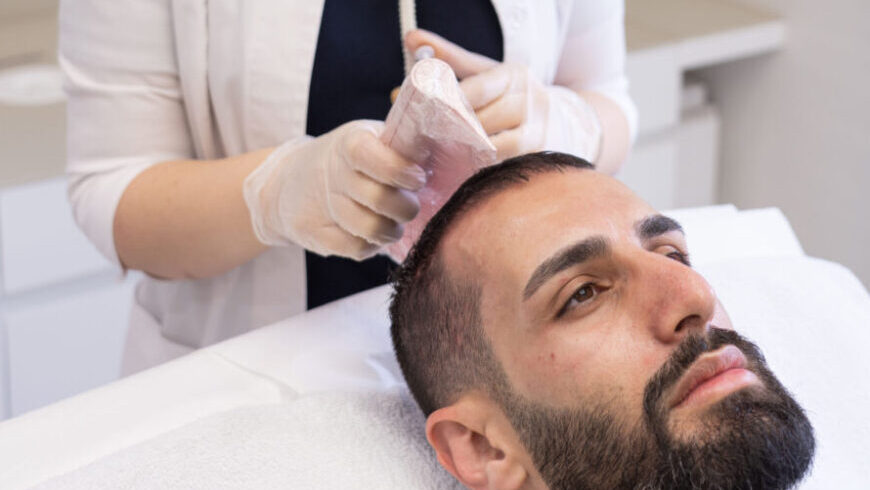
There are non-invasive treatments that can help you with hair loss.
Combining Lifestyle Support With Aesthetic Hair Treatments
Visible hair improvement is most effective when multiple factors are addressed together. Proper nutrition and lifestyle habits create the foundation for healthy growth, while aesthetic treatments enhance scalp condition, follicle stimulation, and overall hair appearance.
At Lucia Clinic, clients can combine lifestyle support with advanced regenerative options such as stem cell therapy Dubai. This approach helps support new growth while improving the look, thickness, and shine of existing hair. By addressing both internal and external factors, patients often see faster and more noticeable results compared with relying on supplements alone.
Long-term strategies include ongoing monitoring, periodic treatments, and continued lifestyle guidance to maintain fuller-looking hair and prevent future thinning.
When to Seek Professional Aesthetic Guidance
Hair thinning that lasts longer than six months, continues despite normal blood work, or worsens over time may require professional evaluation. Early consultation helps identify underlying causes and allows for targeted interventions before prolonged inactivity affects follicle health.
For men, specialized options such as hair loss treatment for men in Dubai can address male-pattern thinning, support existing hair, and improve overall density. Personalized plans help reduce trial-and-error approaches, ensuring treatments are effective and suited to individual hair patterns and lifestyle factors.
Seeking guidance promptly increases the chances of visible improvement and long-term maintenance, combining medical insight with aesthetic strategies for natural, fuller-looking hair.
Supporting Hair Health Beyond Supplements
While it’s clear that vitamin deficiencies are linked to hair loss, they rarely tell the full story on their own. Correcting internal imbalances is important, but visible improvement in hair density, texture, and shine often requires additional support. Treatments that focus on scalp health, follicle stimulation, and overall hair quality can help bridge the gap between internal balance and what you see in the mirror. A holistic approach, combining nutritional guidance, lifestyle adjustments, and targeted aesthetic interventions, offers the best chance for natural, long-lasting results. By addressing multiple factors simultaneously, individuals can maintain fuller-looking hair and support healthier regrowth over time.