







The Role of Skin Quality in Abdominoplasty Results: What Patients Need to Know

A successful tummy tuck depends on more than removing loose skin or tightening muscles. The role of skin quality in abdominoplasty results shapes how smooth, firm, and long-lasting the outcome will be. Surgeons study each patient’s skin elasticity, collagen strength, stretch marks, and lifestyle habits because these factors influence healing, contour definition, and the stability of the new shape. Poor elasticity can limit how well the skin drapes after surgery, while weakened collagen can affect firmness. Even stretch marks signal areas where the skin may respond differently. At Lucia Clinic Dubai, surgeons use these insights to guide each treatment plan and help patients understand what their skin can achieve. This approach builds realistic expectations and supports better results.
Why Skin Quality Matters More Than Patients Realize
Skin quality shapes the outcome of an abdominoplasty in Dubai, which offers far more than most patients expect. Surgeons look beyond loose skin and muscle separation because the way the skin behaves after surgery depends on its internal structure. Good elasticity allows the skin to redrape smoothly over the abdomen once excess tissue is removed. When elasticity is limited, the skin may not tighten as well, which can influence the overall contour.
Skin quality also affects scar formation and healing. Strong, healthy skin with balanced collagen levels tends to produce finer scars and heal with fewer irregularities. Patients with weakened or damaged skin—often due to sun exposure, aging, pregnancy changes, or weight fluctuations—may experience different healing responses.
The smoothness and tightness of the final result connect directly to collagen strength and the presence of stretch marks. Stretch marks indicate areas of reduced structural support, so those regions may not respond as firmly after surgery. This can shape the level of refinement patients see once swelling fades.
Finally, the long-term stability of the outcome depends on skin durability. Firmer skin maintains its shape longer and supports a more defined abdominal line over the years.
Key Skin Characteristics Surgeons Evaluate Before a Tummy Tuck
Before recommending a tummy tuck, surgeons study several features that reveal how the skin will respond during and after surgery. These characteristics help predict how well the skin will tighten, how smoothly it will settle over the abdomen, and how the scars will heal:
- Skin Elasticity: Elasticity shows how well the skin can retract and adapt once excess tissue is removed. Strong elasticity helps the skin settle smoothly over the new contour, while reduced elasticity limits how tight the abdomen can appear after surgery.
- Collagen and Elastin Levels: Collagen and elastin give the skin its structure and firmness. Aging, sun exposure, and repeated weight changes weaken these fibers. Lower levels make the skin less responsive during healing, which can influence the final appearance.
- Thickness and Structure of the Dermis: A thicker dermis supports smoother results and steadier healing. Healthy dermal layers resist irregularities and help scars mature more evenly, creating a more refined abdominal contour after a tummy tuck.
- Stretch Marks and Past Trauma: Stretch marks show where the skin has lost structural strength. These areas may not tighten as smoothly as healthier regions. Surgeons explain this during consultations so patients understand what improvements are possible and where limitations may appear.
Factors That Impact Skin Quality Before Abdominoplasty
Before surgery, surgeons review the factors that shaped the skin over the years. Understanding these elements prepares patients for realistic outcomes and helps guide pre-surgery care:
- Age and Natural Aging Processes: Aging reduces collagen, slows healing, and weakens elasticity.
- Pregnancy Effects: Pregnancy stretches the abdominal skin and shifts hormones. Many patients also develop diastasis, which alters how the skin drapes once muscles are repaired.
- Significant Weight Fluctuations: Repeated weight gain and loss create long-term changes in skin structure.
- Genetics: Genetics influence collagen production, elasticity, and overall skin strength.
- Sun Exposure and Lifestyle: UV damage breaks down collagen and accelerates aging. Smoking weakens circulation, while poor hydration and nutrition affect skin strength.
How Skin Quality Influences Surgical Technique
Surgeons adjust their approach based on how the skin is expected to respond during and after the procedure. When patients have limited laxity and good elasticity, a mini tummy tuck may be enough to create a clean contour. However, when the skin shows widespread looseness, a full tummy tuck becomes the more appropriate option because it allows for more extensive removal and repositioning.
Skin quality also shapes the decision to combine liposuction in Dubai with the surgery. Firm, elastic skin can adapt well after fat removal, while weaker skin may struggle to tighten, so surgeons use more caution in those cases. Muscle repair plays a major role too. When the skin is healthier and more resilient, the improved muscle support beneath it creates a smoother surface and more defined shape once diastasis recti is corrected.
What Patients With Poor Skin Quality Should Expect
Patients with weaker skin structure often need a more tailored surgical plan. These points help set clear expectations and guide long-term care after surgery:
- Need for wider skin removal or full abdominoplasty
- Possibility of mild residual laxity
- A stronger focus on scar care
- Realistic expectations about stretch marks
- Greater importance of maintenance treatments post-surgery
How to Improve Skin Quality Before Your Abdominoplasty
Improving skin quality before a tummy tuck can strengthen the final result and support smoother healing. Surgeons often guide patients through targeted steps that enhance elasticity, boost collagen, and create healthier skin behavior during recovery. Medical-grade skincare can make a noticeable difference. Topical retinoids, peptides, and vitamin C stimulate collagen and support a firmer, more resilient surface.
Non-surgical treatments also help when scheduled well ahead of plastic surgery Dubai surgeons do. Radiofrequency, microneedling, and laser resurfacing encourage tighter, healthier skin, giving surgeons more to work with during the procedure. Daily habits matter too. Strong hydration, balanced nutrition, UV protection, and avoiding smoking help maintain skin strength and improve circulation. Keeping weight steady before surgery also supports better planning and leads to more predictable long-term results.
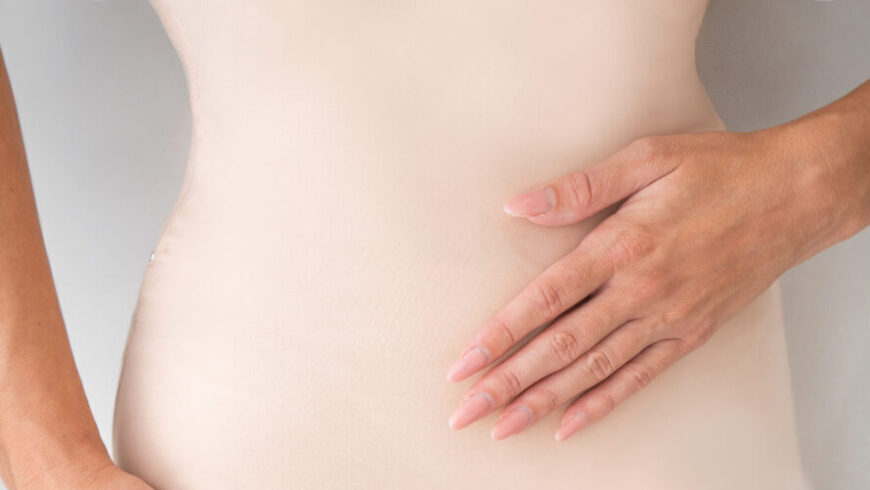
Skin plays a role in abdominoplasty.
The Role of Skin Quality in Abdominoplasty Results
Skin quality shapes both the immediate and long-term outcome of a tummy tuck. Patients who understand the role of skin quality in abdominoplasty results gain clearer insight into what their skin can achieve and how it will respond during healing. Elasticity, collagen strength, past stretching, and daily habits all influence smoothness, firmness, and the longevity of the final contour. When patients address these factors early, they prepare their skin for better recovery and more satisfying results.