







PicoSure and Maintenance Treatments: How to Prevent Pigmentation From Returning

Pigmentation often improves after treatment, yet it can return without the right follow-up care. Sun exposure, hormonal changes, inflammation, and daily skin stress continue to stimulate melanin, even after discoloration fades. That explains why results depend on more than removing visible pigment. There is a real difference between clearing pigment and maintaining results. Corrective treatments address existing dark spots, while maintenance focuses on keeping pigment activity under control. This phase helps protect skin clarity and reduce the risk of recurrence over time. PicoSure and maintenance treatments work best as part of a long-term strategy. PicoSure targets stubborn pigmentation with precision, while maintenance care supports skin stability between sessions. At Lucia Clinic Dubai, treatment plans focus on both stages, helping patients preserve results, support skin balance, and maintain a more even tone long after initial improvement.
Why Pigmentation Recurs
Pigmentation often returns because the triggers behind it never fully disappear. Sun exposure plays the biggest role. UV rays and heat stimulate melanin production, even after successful treatment. Hormonal changes, including pregnancy or contraceptive use, also reactivate pigment cells. Inflammation adds another layer, since irritation, acne, or aggressive skincare can signal the skin to produce more pigment.
There is also an important difference between surface pigment and deeper triggers. Surface pigment sits in the upper skin layers and responds well to treatment. Deeper triggers affect melanocytes, the cells that produce pigment. These cells remain active unless controlled over time, which explains delayed recurrence.
That is why treating pigment once is rarely enough. A single treatment clears visible discoloration, but it does not stop future melanin stimulation. Long-term control requires protection, maintenance care, and strategies that calm pigment activity before new spots appear.
How PicoSure Clears Pigmentation
PicoSure laser uses ultra-short energy pulses, measured in picoseconds, to target pigment without overheating the skin. In simple terms, the laser delivers energy so quickly that pigment shatters before surrounding tissue absorbs heat. This makes treatment more controlled and reduces stress on the skin.
When PicoSure hits areas of discoloration, it breaks pigment into tiny particles. The body then clears these fragments naturally through the lymphatic system over time. Because the pigment is fragmented rather than burned, the skin recovers more comfortably and tone improves gradually.
PicoSure is often chosen for stubborn and recurrent pigmentation because it can reach deeper pigment triggers. It works on discoloration that resists creams or traditional lasers. This depth and precision help reduce repeat buildup, making PicoSure effective for complex pigmentation patterns that tend to return.
The Importance of Maintenance After PicoSure
Post-treatment care matters as much as the laser itself because PicoSure addresses existing pigment, not future triggers. After treatment, the skin remains sensitive to factors that stimulate melanin. Without proper care, those triggers stay active beneath the surface.
Sun exposure, heat, hormonal shifts, and inflammation can all cause pigment to reappear. Even minimal UV exposure can restart pigment production in treated areas. Skipping protection or follow-up care allows these signals to reach melanocytes, leading to new discoloration over time.
That is why realistic expectations are important. PicoSure improves pigmentation, but long-term management keeps results stable. Maintenance may include sun protection, supportive skincare, and scheduled follow-ups.
Maintenance Treatments That Support PicoSure Results
Maintenance treatments help protect results after PicoSure by strengthening the skin and keeping pigment triggers under control. Gentle skin-strengthening treatments improve resilience, allowing the skin to respond better to environmental stress and daily exposure. Stronger skin reacts less aggressively to heat, light, and irritation.
Hydration and barrier-support therapies also play an important role. Well-hydrated skin maintains a healthier barrier, which limits inflammation and reduces signals that stimulate pigment production. When the barrier stays intact, the risk of uneven tone decreases.
Treatments that calm inflammation further support long-term balance. Ongoing redness, breakouts, or irritation can activate melanin pathways. For patients with post-acne marks, carefully selected acne scars treatment helps control inflammation while improving texture. This balanced approach supports clearer skin, protects PicoSure results, and helps prevent pigmentation from returning over time.
Skincare Habits That Help Prevent Pigmentation
Healthy daily habits play a major role in keeping pigmentation under control after treatment and protecting long-term results:
- Daily sun protection and heat control: Apply broad-spectrum sunscreen every morning and reapply when needed. Limit direct sun and heat exposure, since both stimulate melanin production and increase recurrence risk.
- Consistent routines over aggressive actives: Follow a steady skincare routine instead of frequent product changes. Overuse of acids or strong actives can irritate the skin and trigger post-inflammatory pigmentation.
- Professional guidance for product selection: Choose products with expert input to match your skin type and treatment history. Professional guidance helps avoid reactive ingredients and supports long-term skin balance, especially after pigmentation treatments.
Lucia Clinic’s Approach to Pigmentation Maintenance
Lucia Clinic focuses on personalized treatment plans rather than one-off sessions, because pigmentation behaves differently in every patient. Skin type, lifestyle factors, and underlying triggers all influence how pigment returns. For that reason, each plan evolves based on how the skin responds, not a fixed schedule.
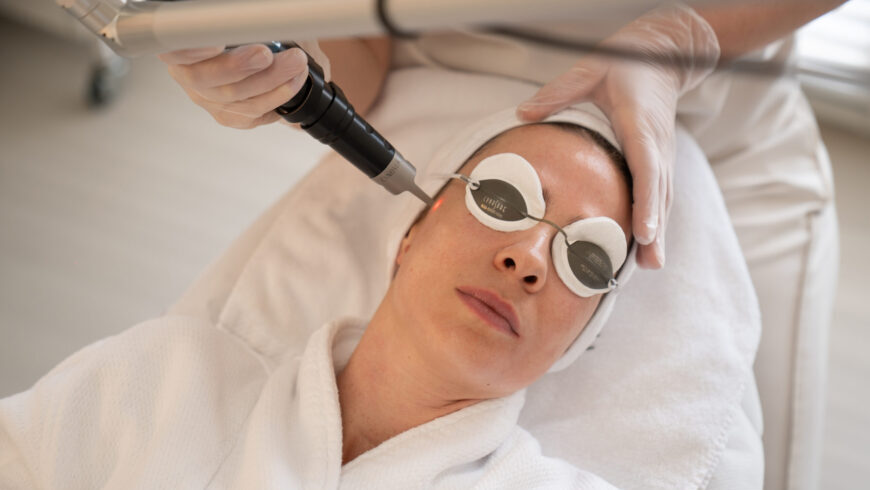
Personalized treatment plans keep your skin healthy.
Ongoing monitoring plays a key role. Skin changes over time, and regular assessments allow treatments to adjust before pigmentation becomes visible again. This proactive approach helps control melanin activity instead of reacting after discoloration reappears.
In-clinic treatments are paired with structured home care strategies to support long-term results. Maintenance plans often overlap with goals such as improving texture and supporting fine lines and wrinkles treatment. This combined approach keeps the skin balanced, resilient, and more resistant to future pigmentation while supporting overall skin quality.
Pigmentation Maintenance: Why Prevention Matters More Than Correction
Pigmentation management works best as an ongoing process, not a one-time fix. While treatments can clear visible discoloration, long-term results depend on controlling the triggers that cause pigment to return. Sun exposure, heat, hormones, and inflammation require consistent attention over time. PicoSure and Maintenance Treatments play an important role within a broader plan. PicoSure addresses existing pigment with precision, while maintenance care protects results and supports skin stability between sessions. Together, they reduce recurrence instead of repeatedly correcting the same concern. Focusing on prevention shifts the approach forward. With proper monitoring, supportive care, and expert guidance, pigmentation becomes easier to manage. Long-term clarity comes from consistency, not repeated corrective treatments.