







Facelift Recovery Timeline: What to Expect Week by Week

Many people feel excited about facelift surgery, yet recovery remains one of their biggest concerns. Patients often ask how long swelling lasts and when normal activities can resume. Understanding the facelift recovery timeline helps patients prepare mentally and physically before surgery. Clear expectations reduce anxiety and allow people to plan their schedule more effectively. Each stage of healing follows a predictable pattern, with noticeable improvement week after week. Modern surgical methods also focus on refined results with a recovery process that most patients manage comfortably. At Lucia Clinic Dubai, specialists guide patients through every step of recovery and explain what to expect during the healing period. Proper preparation and expert care make the recovery journey far more manageable!
Why Recovery Is Different for Every Patient?
Recovery after facelift surgery Dubai specialists recommend does not follow the exact same path for every patient. Several factors influence how quickly the face heals and how visible swelling remains during the first weeks. Age often affects the healing speed. Younger skin usually maintains stronger elasticity and adapts faster after surgical repositioning.
Skin quality also plays an important role. Healthy, well-hydrated skin often recovers more efficiently and shows smoother contour changes during healing. The type of procedure also affects recovery. A neck lift surgery or a mini facelift usually involves smaller incisions and less tissue adjustment. Therefore, swelling may resolve sooner than after a full facelift, which treats deeper facial structures.
Additional procedures may also influence the timeline. Some patients combine facelift surgery with a neck lift, eyelid surgery or botox Dubai doctors do to improve overall facial harmony. These procedures can extend the healing period slightly. Overall health also affects recovery. Strong circulation, balanced nutrition, and good rest help the body repair tissue and reduce swelling more efficiently.

With Lucia Clinic’s experts, you’ll know what to expect from facelift recovery week by week.
What Happens During the Healing Process?
The body begins the healing process immediately after facelift surgery. Swelling and bruising appear as normal responses to surgical changes in facial tissues. At the same time, fluid collects in treated areas as the body protects and repairs the surgical site.
Beneath the surface, deeper tissues start adjusting to their new position. Surgeons lift and secure facial structures during a facelift, and the surrounding skin gradually adapts to these changes. The body also increases collagen production during healing. Collagen supports skin structure and helps maintain firmness as tissues settle. Over the following weeks, swelling decreases and contours become clearer. Patience plays a key role during this stage.
The First 24–48 Hours After Surgery
The first 24–48 hours after facelift surgery focus on rest and careful monitoring. Medical staff observe patients during the initial recovery period to ensure stable vital signs and comfort. During this time, many patients notice mild discomfort and a feeling of tightness around the face and neck.
Pain usually remains manageable with prescribed medication. Surgeons often place bandages or compression garments around the treated areas. These coverings support the skin, reduce swelling, and help maintain proper contour during early healing.
What Patients Typically Notice?
During the first two days after surgery, patients usually begin to notice swelling and bruising around the treated areas. Bruising may start as darker shades under the skin and gradually shift to lighter tones over time.
Many patients also feel tightness in the face and neck. This sensation occurs because the skin and deeper tissues adjust after repositioning. Limited facial movement may also appear during this stage. Smiling, chewing, or speaking may feel slightly restricted at first. These sensations remain temporary and improve gradually as swelling decreases and healing continues during the first week.
Key Recovery Tips
Proper care during the first days of recovery helps reduce swelling and support healing. Patients should rest with the head elevated while sleeping or lying down. This position helps fluid drain away from the face and reduces pressure on healing tissues.
Sudden head movements should be avoided because they may increase swelling or discomfort. Patients should also follow their surgeon’s instructions carefully. These guidelines usually include medication schedules, wound care, and activity restrictions. Careful attention to these instructions supports steady recovery from any of the facial treatments Dubai doctors perform and helps prevent unnecessary irritation in the treated areas.
Days 3–7: The First Week of Healing
Days three through seven represent an important stage in the facelift recovery timeline.
Physical Changes During the First Week
During this period, physical changes become more noticeable as the body continues healing. Swelling usually reaches its highest point around days three or four.
Bruising may also become more visible during this stage. However, the color often stabilizes and slowly fades as the body clears the trapped blood beneath the skin. Some patients also experience mild numbness or tingling around the ears, cheeks, or jawline. Although these symptoms may feel unusual at first, they typically improve steadily as healing continues during the first week.
Activities During Week One
During the first week after surgery, patients should focus on gentle recovery and steady healing. Doctors often encourage light walking around the home. Short walks support healthy blood circulation and help reduce stiffness after surgery.
However, physical activity must remain minimal during this stage. Patients should avoid movements that strain the face or neck. Calm routines support better healing during this period. Many people spend the week resting, staying hydrated, and following a simple daily routine.
Follow-Up Appointments
Follow-up appointments play an important role during the first week after facelift surgery. Surgeons schedule early checkups to review healing progress and confirm that recovery develops as expected. During this visit, the doctor examines the incision sites and checks swelling levels. Patients can also discuss any discomfort or unusual symptoms with their surgeon. In some cases, stitches or surgical dressings are removed during this appointment.
The timing depends on the surgical technique used during the procedure. These visits also allow doctors to review care instructions for the next stage of recovery. Regular follow-ups provide reassurance and help patients continue healing with confidence.
Week 2: Visible Improvement Begins
Week two marks an encouraging stage in the facelift recovery timeline. Patients often notice a clear improvement as swelling begins to decrease steadily. The face usually looks less full compared to the first week. Bruising also fades during this stage, shifting into lighter yellow or green tones before disappearing.
As swelling continues to reduce, facial contours become easier to see. Although minor swelling may still remain, the overall appearance often looks more balanced. Many patients feel more comfortable returning to light daily activities during this phase of recovery.
Returning to Daily Life
During the second week after surgery, many patients begin returning to light daily routines. Simple tasks usually feel manageable. Managing swelling and bruising helps patients feel more comfortable in public settings. Some bruising may still remain, yet makeup can help reduce its visibility.
Light cosmetic products often conceal discoloration around the cheeks or jawline. As a result, patients feel more confident during casual social interactions. However, strenuous activity should still wait until later stages of recovery.
Emotional Aspect of Recovery
The second week also brings noticeable emotional improvement for many patients. Patients often feel reassured about their decision. The transition from early healing to visible improvement helps reduce anxiety about the outcome. Gradually, confidence begins to return as the face looks more refreshed and balanced. Social interactions may also feel easier as patients feel more comfortable with their appearance.
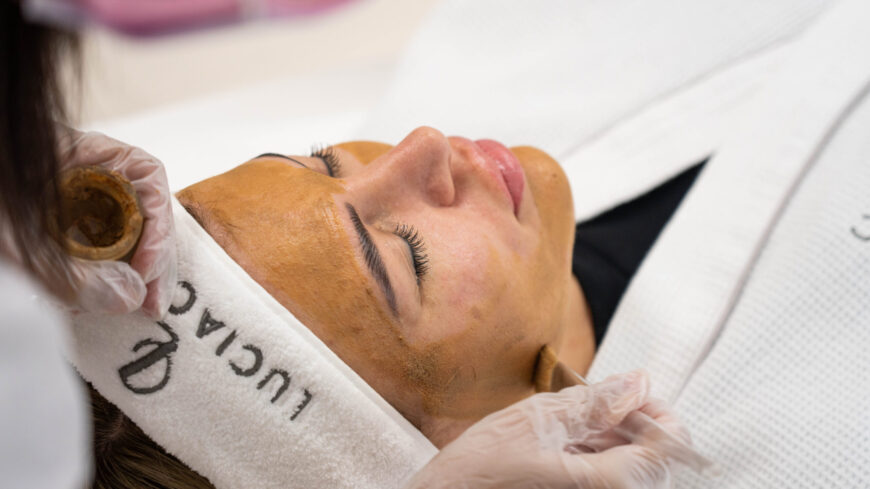
With follow-up appointments, you can get treatments that will make your healing process easier.
Weeks 3–4: Returning to Normal Routines
Weeks three and four often bring clear physical improvement after facelift surgery. Most swelling has reduced by this stage, so the face begins to look more balanced. Facial movement also becomes easier and more natural. Smiling, speaking, and chewing usually feel more comfortable than during the first two weeks.
At the same time, the skin continues adjusting to its new position. Facial contours slowly settle and appear smoother each day. Although minor swelling may still remain, it usually becomes less noticeable. This stage of facelift recovery timeline helps patients see steady progress as the healing process continues.
Activities That May Resume
During weeks three and four, many patients begin returning to normal routines. With surgeon approval, moderate exercise may gradually resume. Light workouts such as walking or gentle stretching often feel comfortable during this stage.
Many patients also return to regular work schedules and social activities. Daily routines become easier as swelling decreases and facial movement improves. However, intense physical training should still be introduced gradually.
Continued Healing
Even though recovery improves during weeks three and four, healing continues beneath the surface. Some patients notice subtle firmness or tightness under the skin. This occurs as tissues continue adjusting after surgical repositioning. These feelings usually decrease over time as the face settles. Small nerve fibers also continue recovering during this stage. As a result, sensation slowly returns to areas that previously felt numb. Mild tingling may appear during this process. These changes represent normal nerve recovery and usually improve gradually.
Weeks 5–8: Refinement Phase
During weeks five through eight, many patients notice clear refinement in their appearance. Facial contours look smoother as remaining swelling continues to decrease. The jawline and cheeks often appear more defined, which creates a balanced facial profile. Skin texture may also look healthier as circulation improves during healing. At the same time, incision lines begin to soften and fade gradually. They often appear less noticeable as the surrounding skin recovers.
Lifestyle Considerations
Weeks five through eight also allow patients to return to more active routines. Many people gradually resume their normal exercise schedule after receiving approval from their surgeon. Fitness activities should increase slowly so the body can adapt comfortably.
At this stage, sun protection becomes very important for protecting healing skin. Daily sunscreen use helps support healthy recovery. Patients may also reintroduce gentle skincare products into their routine. Careful skin maintenance helps support long-term results after facelift surgery.
Months 3–6: Final Results Become Visible
During the third through sixth month, the final appearance becomes clear. Any remaining swelling usually resolves completely. Skin and deeper tissues settle into their new position. The jawline often appears sharper, while the cheeks show improved lift. The face maintains natural movement and expression.
Scar Maturation
Incision lines continue fading during these months. At first, scars may appear pink or slightly raised, but over time, the skin softens and the color fades. Proper skincare helps support this process. Sun protection also protects healing skin during this stage.
Enjoying Long-Lasting Results
As healing completes, patients often enjoy a refreshed appearance that looks natural and balanced. The goal of facelift surgery focuses on subtle improvement rather than dramatic change. Facial features remain recognizable, yet the face appears firmer and more youthful. Many patients notice a clearer jawline and smoother facial contours. These improvements create a rested look that supports confidence and maintains natural facial expression over time. Some patients later explore options such as fillers Dubai specialists provide to maintain volume in specific areas.
Factors That Can Influence Recovery
Several factors affect how quickly patients heal after facelift surgery. Surgical technique plays a major role in the recovery experience. Modern facelift methods focus on precise tissue adjustment and careful handling of facial structures. These techniques reduce unnecessary trauma during surgery and support a smoother healing process. As a result, many patients experience less swelling and shorter downtime while still achieving refined and natural-looking results.
Lifestyle and Aftercare
Lifestyle habits strongly influence recovery after facelift surgery. Proper nutrition provides the body with nutrients that support tissue repair and healing. Restore hydration to your skin because it helps reduce swelling and maintain healthy circulation during recovery.
Patients should avoid smoking because it slows healing and affects blood flow to the skin. Limiting sun exposure also protects sensitive healing areas. Most important, patients should follow their surgeon’s post-procedure instructions carefully to support steady recovery.
Tips for a Smooth Facelift Recovery
Preparation makes recovery easier and more comfortable. Patients who organize their schedule before surgery often experience less stress during healing.
- Plan time off work in advance so the body can rest during early recovery.
- Arrange help during the first few days for meals, errands, and daily tasks.
- Prepare recovery essentials such as pillows, medication, and soft foods before surgery.
- Maintain realistic expectations for your facelift recovery timeline and allow the healing process to progress gradually.
Lucia Clinic’s Approach to Facelift Recovery
At Lucia Clinic Dubai, recovery care receives the same attention as the surgical procedure itself. Doctors create personalized recovery plans based on each patient’s health, skin condition, and surgical goals. Careful surgical planning supports balanced facial contours while maintaining natural facial expression.
The medical team also focuses strongly on patient comfort during the healing period. Clear guidance helps patients understand each stage of recovery and manage temporary swelling or tightness. Follow-up appointments allow doctors to monitor healing and answer patient questions. Continuous post-procedure support helps ensure that recovery progresses safely and that long-term results remain stable and natural!
Understand the Journey to Final Results!
The facelift recovery timeline follows a gradual and predictable path when experienced professionals guide the process. Each week brings visible progress, helping patients understand what changes to expect as healing continues. Early swelling and tightness slowly decrease, while facial contours begin to settle into their new structure. This steady improvement allows patients to feel more confident throughout recovery. Patience remains important because the final results develop over time. As tissues fully adjust and swelling resolves, the refreshed facial appearance becomes clearer. With proper care and guidance, patients can enjoy long-lasting results that look natural and balanced!