







Creatine and Hair Loss: Separating Myths From Facts

Search online for Creatine and Hair Loss, and you’ll quickly find claims suggesting that this popular performance supplement may lead to thinning hair. These concerns circulate widely across forums, social media, and fitness communities—often without a clear scientific context. So why is creatine often blamed for hair loss online? Much of the concern comes from isolated anecdotes, misinterpreted research, and the broader rise of supplement-related hair loss fears. When people notice changes in hair density or shedding, it’s common to link them to the most recent habit change, even though genetics, stress, hormones, and nutrition play a much larger role. Hair specialists, including clinicians at Lucia Clinic in Dubai, frequently point out that appearance changes are often misattributed to a single cause, especially when hair health is influenced by multiple factors.
Where the Creatine–Hair Loss Myth Comes From
The link between creatine and hair loss didn’t start in a lab—it started online. Gym culture and online forums shaped the narrative, with anecdotal stories spreading faster than scientific explanations. When one person notices hair shedding after starting creatine, the assumption is often repeated as fact, even without supporting evidence.
Timing makes creatine an easy scapegoat. Many people begin using creatine during periods of intense training, dietary changes, higher stress, or natural age-related hair changes. When hair thinning appears around the same time, creatine is blamed simply because it’s the most obvious new factor.
This is a classic example of confusing correlation and cause. Just because two things happen at the same time doesn’t mean one caused the other. Hair loss is influenced by genetics, hormones, lifestyle, and overall health—factors that are often already in motion long before creatine enters the picture.
What People Usually Notice First
Most concerns around hair loss begin with increased shedding rather than true hair thinning. Seeing more hair in the shower drain, on pillows, or in a brush can feel alarming, even when overall hair density hasn’t changed. Others notice subtle visual changes, such as a wider part line, less volume at the crown, or hair that doesn’t style the same way. These shifts are often interpreted as hair loss, but they don’t always reflect actual follicle damage or permanent thinning.
Hair can look thinner without true hair loss for several reasons. Temporary shedding cycles, dehydration, weight changes, stress, hormonal fluctuations, or reduced scalp oil can affect how full hair appears. Lighting, styling habits, and shorter growth phases can also exaggerate the appearance of thinning. In many cases, the hair itself is still growing—just behaving differently than before.
Factors That Affect Hair Appearance More Than Creatine
Before blaming a single supplement, it’s important to understand that hair appearance is influenced by a wide range of internal and external factors:
- Stress, lifestyle changes, and intense training: Heavy workouts, poor sleep, travel, and elevated cortisol levels can disrupt the hair growth cycle, often triggering temporary shedding or reduced volume.
- Diet shifts and calorie changes during fitness phases: Cutting calories, reducing carbs or fats, or increasing protein without adequate micronutrients can impact hair density and shine, even when overall nutrition seems “clean.”
- Scalp health and inflammation: Dandruff, buildup, irritation, or inflammation can affect how hair grows and sits on the scalp, making hair look flatter, thinner, or less dense.
- Genetics and natural hair cycles: Androgen sensitivity, age-related changes, and normal shedding phases play a major role in hair appearance—often independent of supplements or training routines.
Why Hair Loss Often Shows Up During Fitness Changes
Hair changes often appear during fitness transitions because the body is under a form of controlled stress while it adapts to new demands. Starting a new training program, increasing workout intensity, cutting calories, or changing macronutrient intake all require the body to re-prioritize energy and resources.
During these adaptation phases, non-essential functions—like hair growth—can temporarily shift, leading to increased shedding or reduced volume. Hair also responds slowly to internal changes. Each strand follows a growth cycle that lasts months, meaning what you see in the mirror today often reflects what was happening inside the body weeks or even months earlier. This delayed response is why hair changes can seem sudden or unexplained.
As a result, hair shedding or thinning often shows up months after lifestyle shifts, not at the moment those changes occur. This timing mismatch makes it easy to blame recent habits, like starting creatine, even though the underlying trigger began long before.
When Creatine Is Unlikely to Be the Real Issue
In many cases, hair changes that occur around the time creatine is introduced are coincidental rather than causal. Certain patterns suggest that creatine is unlikely to be the real issue behind what you’re noticing.
- Stable hairline with temporary shedding: Increased shedding without recession or progressive thinning often points to a temporary cycle shift, not supplement-related hair loss.
- Hair thinning that stabilizes after lifestyle adjustment: When volume or density returns to baseline once training, stress, or nutrition levels normalize, it suggests the trigger was systemic—not creatine itself.
If hair doesn’t noticeably improve after discontinuing creatine, it’s a strong sign that the cause lies elsewhere, such as genetics, hormones, or overall health.
Aesthetic Support for Hair Thinning at Lucia Clinic
When hair thinning becomes noticeable, professional guidance can help clarify what’s actually happening and which options are appropriate. At Lucia Clinic, the focus is on improving hair density and overall appearance, rather than reacting to isolated triggers or online myths.
Approaches to hair loss treatment Dubai are personalized and non-invasive, taking into account lifestyle factors, scalp health, and the individual hair growth cycle. There are also separate considerations for women and men, as patterns, causes, and progression of thinning can differ.
For example, hair loss treatment for men in Dubai often focuses on preserving density in genetically sensitive areas, while women may experience more diffuse thinning linked to stress or hormonal changes.
Options such as ACell PRP Dubai are sometimes considered as part of a broader, medically guided strategy—aimed at supporting scalp health and hair quality, not quick fixes.
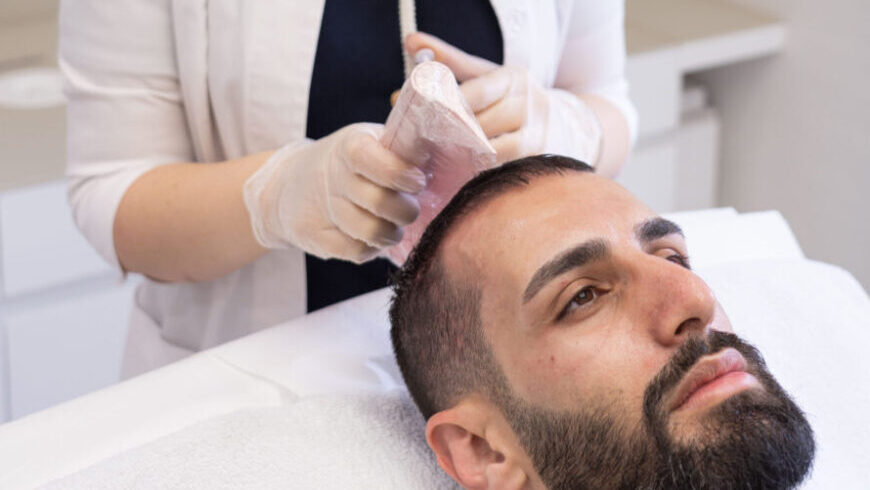
There are different causes of hair loss, but Lucia Clinic can help prevent them.
Creatine and Hair Loss: Separating Myths From Facts
When it comes to Creatine and hair loss, evidence consistently shows that creatine alone is rarely the true cause. Hair thinning is usually influenced by a combination of genetics, stress, training intensity, diet changes, hormones, and natural hair cycles—not a single supplement. Understanding the full picture is essential. Because hair responds slowly to internal changes, visible shedding or thinning often reflects lifestyle shifts that occurred months earlier. This delay is why creatine is frequently blamed, even when it isn’t responsible. Instead of guessing or reacting to online myths, it’s smarter to address visible hair changes early. Seeking clarity—rather than assuming cause and effect—helps protect hair appearance and reduces unnecessary concern around creatine and hair loss.