







Comparing Laser Treatments for Different Skin Types and Conditions
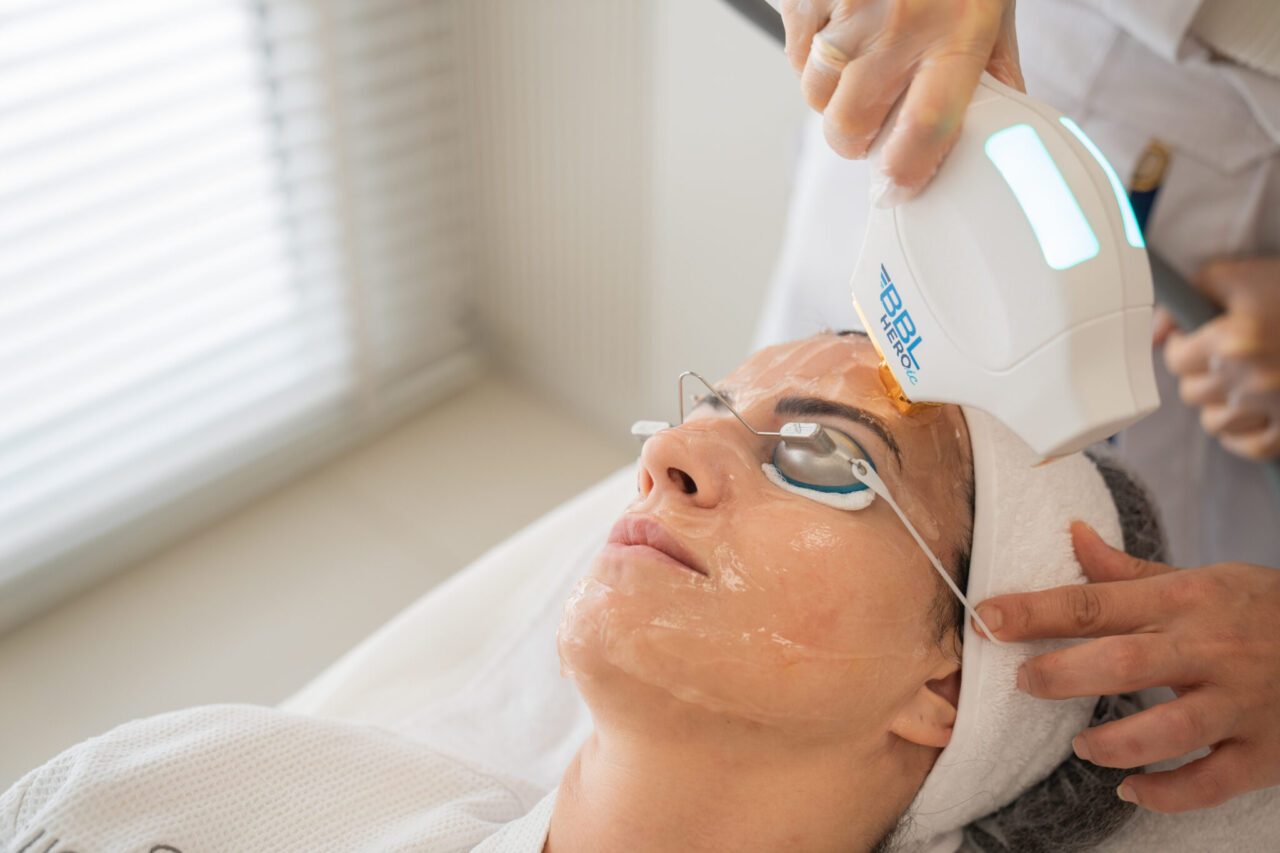
Laser treatments are often seen as interchangeable, but each system is designed to target specific skin concerns. When comparing laser treatments for different skin types and conditions, it becomes clear that factors like wavelength, energy, and penetration depth determine both safety and effectiveness. Some lasers focus on pigment, others on blood vessels, and others on deeper layers to stimulate collagen. Matching the right laser to both skin type and individual concerns ensures treatments are safer, more effective, and require fewer sessions. At Lucia Clinic Dubai, personalized treatment planning is a priority, allowing clinicians to evaluate skin characteristics and specific goals to create tailored approaches. This method consistently delivers long-term improvement in tone, texture, and firmness, far beyond what choosing a popular device alone can achieve.
Why Skin Type Matters in Laser Selection
Skin type plays a major role in how a laser interacts with the skin. Lighter skin tones generally contain less melanin, which allows a wider range of wavelengths to be used safely. Darker skin tones contain more melanin, which absorbs light energy more quickly and increases the risk of post-treatment pigmentation changes. Longer wavelengths, such as 1064 nm, penetrate deeper while minimizing excess absorption in surface pigment, making them safer for deeper skin tones.
Sensitive or reactive skin tends to respond more strongly to heat and inflammation. Fractional laser methods treat small sections at a time, leaving surrounding skin intact, which helps reduce redness and speeds recovery. Cooling systems and adjustable pulse durations further protect sensitive skin while maintaining results.
Skin behavior also differs between acne-prone and mature skin. Acne-prone skin benefits from treatments targeting bacteria and oil production, while mature skin often needs collagen stimulation and resurfacing.
When comparing laser treatments for different skin types and conditions, understanding these differences is crucial. Matching wavelength, pulse duration, and energy to a patient’s specific skin type improves safety, effectiveness, and comfort. Proper selection reduces the risk of complications and ensures treatments achieve noticeable, lasting improvements in tone, texture, and overall skin health.
Why Skin Condition Is Just as Important as Skin Type
Beyond skin type, the specific condition of your skin, such as pigmentation, texture, and signs of aging, plays an equally important role in determining which laser treatments will be safe and effective.
Pigmentation and Sun Damage
Pigmentation concerns include sunspots, uneven tone, and melasma. Light-based treatments break pigment into smaller particles so the body can remove them naturally through immune and lymphatic processes. Because these treatments target pigment selectively, the surrounding tissue usually remains intact.
Broad-spectrum light treatments like BBL laser Dubai, are commonly used for sun damage, redness, and early tone irregularities. Many of these systems are based on Sciton platforms that use multiple wavelengths to target pigment and vascular redness in controlled pulses. Demand for pigment-correcting light therapies is high in sun-intense regions such as Dubai, where UV exposure increases pigmentation risk. Depending on pigment depth and cause, light and laser treatments can reduce visible sunspots by 50–80% after a couple of sessions, while conditions like melasma typically require gradual treatment and consistent sun protection.
Acne Scars and Skin Texture
Active acne involves inflammation and bacteria, while acne scars are structural changes in deeper skin layers. This difference is why treatment depth and technology choice matter. Shallow resurfacing can improve mild surface roughness, while deeper fractional approaches help stimulate collagen remodeling to improve scar depth and overall texture.
Options such as Alma hybrid laser treatments work on both the surface and deeper layers in a controlled way. They create targeted zones of improvement while leaving surrounding skin intact, which supports faster healing. Over the following months, natural collagen production helps smooth the skin and gradually improves the appearance of scars.
Skin Laxity and Early Signs of Aging
As we age, collagen production gradually decreases, and elastin fibers lose strength, leading to skin that feels less firm and shows early signs of sagging. Treatments that target deeper layers of the skin can help restore support and improve elasticity over time.
Energy-based devices, including options like hybrid iPixel laser treatment Dubai, can stimulate collagen and tighten tissue without extensive downtime. While resurfacing improves the skin’s surface appearance, these deeper treatments focus on underlying support structures, helping skin look smoother and firmer. Combining surface and deep treatments often produces more balanced, natural-looking results than focusing on one layer alone.
Combination Concerns: Texture, Pigment, and Aging Together
Many patients experience more than one skin concern at the same time. Clinical surveys show that over 70% of aesthetic patients report combined issues, including uneven tone, early fine lines, and mild texture irregularities. Treating only one layer of skin often produces partial improvement, which is why modern treatment plans often target multiple skin depths using different energy approaches.
Multi-application platforms, including treatments like Harmony XL Pro, are designed to address pigment, vascular redness, and mild texture changes within a customized treatment plan. Systems developed by Alma Lasers allow providers to adjust handpieces and energy settings based on the dominant concern during each session. Hybrid or multi-technology treatments can improve surface tone while supporting collagen stimulation in deeper layers, helping patients see broader skin quality improvement rather than single-concern correction.
When Combination Laser Treatments Make More Sense
Patients with layered skin concerns often benefit from multi-step treatment plans rather than relying on one device. Sequential treatments allow skin to heal while collagen production continues between sessions. This approach often produces more natural-looking improvements compared to single aggressive treatments.
Gradual treatment strategies often support long-term skin improvement and collagen maintenance. While aggressive treatments may produce faster initial change, recovery time is longer, and the risk of irritation can increase.
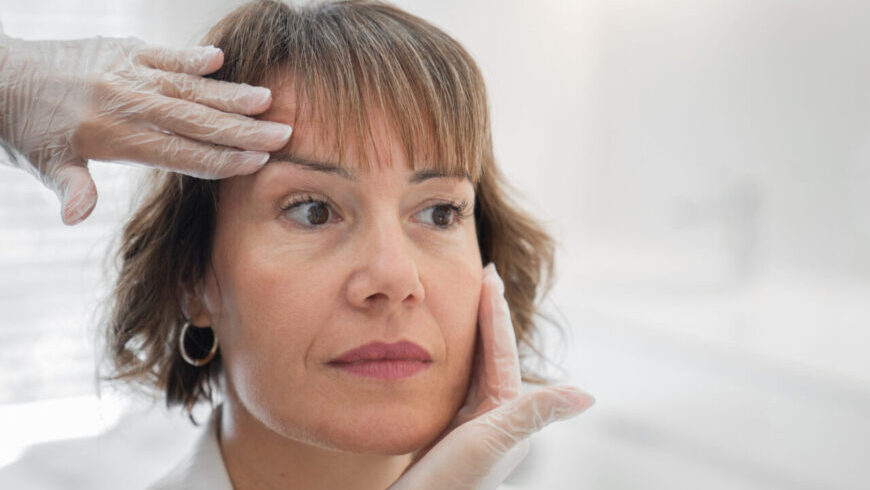
Lucia Clinic’s experts evaluate skin before recommending treatments.
What to Consider Before Choosing a Laser Treatment
Professional skin assessment helps identify skin type classification, pigment distribution, texture changes, and vascular components. This evaluation improves treatment accuracy.
Downtime varies widely depending on treatment depth:
- Light treatments: 0–2 days of redness
- Fractional resurfacing: 3–7 days recovery
- Deep resurfacing: up to 14 days of healing
Lifestyle factors like sun exposure, skincare routine, and maintenance goals also influence treatment selection.
Patients who follow individualized treatment plans often require 30–50% fewer corrective treatments later, based on long-term clinic tracking data.
Lucia Clinic’s Approach to Advanced Laser Treatments
Lucia Clinic uses a detailed skin evaluation before recommending treatment. Device selection is based on measurable skin characteristics and patient goals rather than trends.
Our approach typically includes:
- Multi-layer skin analysis
- Matching device capability to skin biology and concern
- Gradual treatment sequencing for natural-looking improvement
The goal is consistent skin quality improvement rather than short-term correction.
Ensuring Safe and Effective Laser Results
There is no single “best” laser treatment for everyone. The most effective results depend on carefully considering both skin type and skin condition. When comparing laser treatments for different skin types and conditions, it becomes clear that personalized planning delivers safer procedures, better outcomes, and longer-lasting improvements. Expert guidance ensures that each treatment is matched to the individual’s skin characteristics, addressing tone, texture, and firmness while minimizing downtime and complications. By focusing on the right technology for the right skin, patients can achieve natural, balanced results and maintain healthy, refreshed skin over time.