







Breast Implants and Physical Activity: What Changes After Surgery?

Many patients ask detailed questions about exercise and daily movement before scheduling breast augmentation. People who work out regularly want to understand how surgery may affect their routines. Concerns about gym workouts, sports, and long-term comfort often appear during consultations about breast implants and physical activity. Some believe implants restrict movement or prevent an active lifestyle. In reality, modern surgical methods focus on results that allow comfortable movement and normal daily activity. Surgeons also consider lifestyle habits during treatment planning. An experienced aesthetic doctor in Dubai reviews body proportions, fitness routines, and personal goals before recommending implant options. This careful approach helps patients achieve balanced results while maintaining their usual level of physical activity after recovery.
Why Physical Activity Is a Common Concern?
Physical activity often becomes a major concern for patients who consider breast implant Dubai surgeons do. Many people exercise several times per week or participate in sports such as running, tennis, or weight training. Because of that, they want clear answers about how implants may affect movement and comfort. Some patients worry that implants could shift during exercise or create pressure in the chest area. Others ask how long they must pause workouts after surgery. These questions help doctors understand the patient’s routine and priorities. Careful planning allows surgeons to recommend implant sizes and placement that support daily movement. Recovery guidance also helps patients return to activity safely.
The Early Recovery Phase
The early recovery phase focuses on rest and steady healing during the first days after surgery. The body needs time to adjust to surgical changes and begin tissue repair. For that reason, patients should limit arm movement and avoid lifting heavy objects. Sudden stretching or reaching may place pressure on the chest area and slow recovery.
Most doctors encourage short walks around the home to support circulation. At the same time, patients should avoid any activity that strains the upper body. Rest, hydration, and proper sleep support healing during this stage. Careful recovery during the first days helps prepare the body for gradual activity later.
First Few Weeks
During the first few weeks after surgery, patients slowly return to light daily activities. Simple tasks such as walking, preparing meals, or short errands usually become comfortable again. At the same time, patients should avoid strenuous exercise and movements that strain the chest or shoulders. Upper-body workouts, lifting heavy objects, and intense physical effort can interfere with healing tissues.
Doctors often explain that patience during this stage protects long-term results. Discussions about breast implants and physical activity often focus on this recovery period. Following the surgeon’s instructions helps patients recover safely and prepares the body for a gradual return to regular workout routines and everyday activities.
Returning to Exercise After Breast Implants
Returning to exercise after any plastic surgery Dubai specialists do, especially after breast implant surgery requires a gradual and controlled approach. Most surgeons encourage light movement soon after the first recovery phase ends. Walking often becomes the first activity patients resume because it improves circulation and supports healing.
Gentle daily movement also helps the body regain energy after surgery. However, patients should increase activity slowly and pay attention to how their body responds. Short walks may extend into longer sessions over time. As strength returns, patients may add light cardio exercises that do not strain the chest area. This steady increase in activity helps rebuild stamina while protecting healing tissues and maintaining comfort.
Strength Training
Strength training usually returns later in the recovery timeline. Upper-body workouts place pressure on chest muscles, so patients must wait until healing progresses well. Surgeons often recommend several weeks before restarting exercises that involve the chest, shoulders, or arms. Even then, a gradual approach remains important. Patients should begin with lighter weights and controlled movements. A progressive return allows muscles and tissues to adapt safely. This method helps prevent strain while rebuilding strength and confidence during workouts.
High-Impact Sports
High-impact sports require extra care after breast implant surgery. Activities such as running, tennis, or HIIT create repeated chest movement and impact. Patients usually return to these workouts only after full healing. A gradual approach helps the body adjust to increased activity. Supportive sports bras also play an important role because they stabilize the chest during movement. Doctors often recommend strong support during early training sessions. Patients who previously combined augmentation with procedures such as a breast lift Dubai experts do may receive additional recovery guidance. Careful progression helps maintain comfort while restoring full athletic performance.
Long-Term Physical Activity With Breast Implants
Long-term physical activity usually returns to normal after breast implant recovery. Most patients resume their regular fitness routines once healing finishes. Many continue running, strength training, swimming, and other sports without discomfort.
Breast implants rarely limit an active lifestyle when surgeons plan the procedure carefully. Implant size, placement, and surgical technique all influence comfort during movement. Proper positioning helps the implants move naturally with the body. As a result, patients often exercise with the same confidence they had before surgery. Regular workouts remain possible for people who enjoy an active routine.
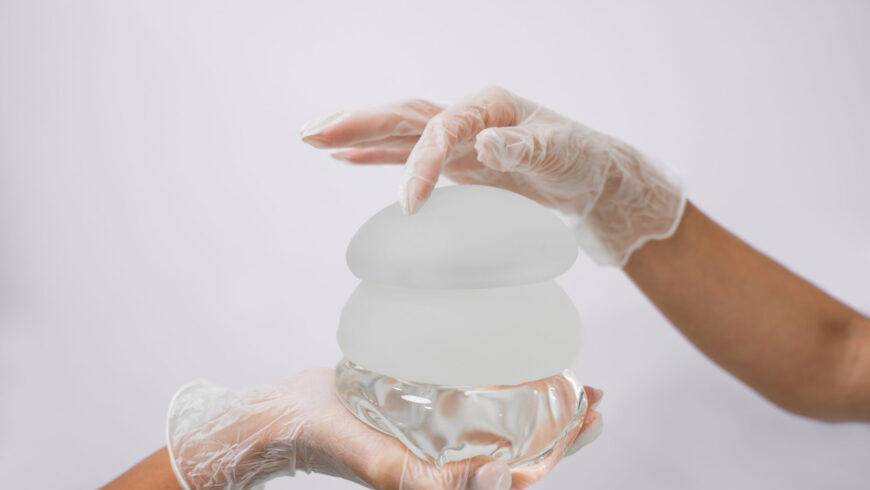
With the properly done surgery, breast implants don’t limit your physical activity.
Factors That Influence Recovery and Activity
Several factors influence how quickly patients return to normal activity after breast implant surgery. Recovery speed varies from person to person, and several elements affect how the body adapts after the procedure. Doctors usually evaluate these factors during consultations and follow-up visits. Key influences include:
- Implant size and placement – Larger implants or certain placements may require more adjustment time for chest muscles.
- Individual healing response – Each body heals at a different pace depending on health, age, and tissue elasticity.
- Lifestyle and fitness habits before surgery – Patients who exercise regularly often regain stamina and strength faster.
It is important to note that following professional post-surgery guidance helps protect healing tissues and prevents unnecessary strain. This disciplined approach supports a safe return to exercise and daily activity.
Lucia Clinic’s Approach to Breast Augmentation
Lucia Clinic approaches breast augmentation with careful planning and patient-focused evaluation. Doctors review body proportions, daily activity levels, and personal goals before recommending implant options. This personalized approach helps ensure the implants suit the patient’s physique and lifestyle.
Surgeons also consider movement and long-term comfort during the planning stage. Proper implant selection and placement allow the chest to move naturally during daily activity and exercise. The clinic prioritizes balanced results that feel comfortable over time. With this method, patients achieve results that support both appearance and an active routine long after recovery.
Recovery Today, Active Living Tomorrow!
Breast augmentation can support an active and healthy lifestyle when patients follow proper recovery guidance. Discussions about breast implants and physical activity often focus on the healing period, which requires patience and gradual progress. Most patients return to their normal exercise routines once recovery finishes. Careful surgical planning and proper implant placement help maintain comfort during movement. Following professional medical advice remains important during each stage of recovery. With the right guidance, patients safely resume daily activities, sports, and workouts while enjoying long-term confidence in their results!